A Perforated Metal Screen can shape light, airflow, privacy, and the visual character of a building. It may appear simple from a distance. Up close, hole diameter, sheet thickness, open area, and edge quality all affect performance. A facade panel exposed to wind and rain has different demands from an interior divider or equipment guard. The right manufacturer should understand those differences and explain them clearly.
This guide to the 10 Best Perforated Metal Screen Manufacturers in 2026 is designed to help buyers compare suppliers with practical needs in mind. It considers product range, material options, fabrication capabilities, customization, quality controls, and customer support. Stainless steel, aluminum, and carbon steel each suit different conditions, so confirm grades and finishes against your project requirements. Ask about tolerances, sample availability, packaging, and lead times before placing an order. Details matter.
No single ranking fits every project. A supplier with broad production capacity may not be the best choice for a small custom run, and published specifications do not replace a physical sample. That is worth remembering. Use the profiles as a starting point, then verify current capabilities directly with each company. Compare actual drawings and quotations, not just product photos. A few careful questions can prevent costly mismatches later.
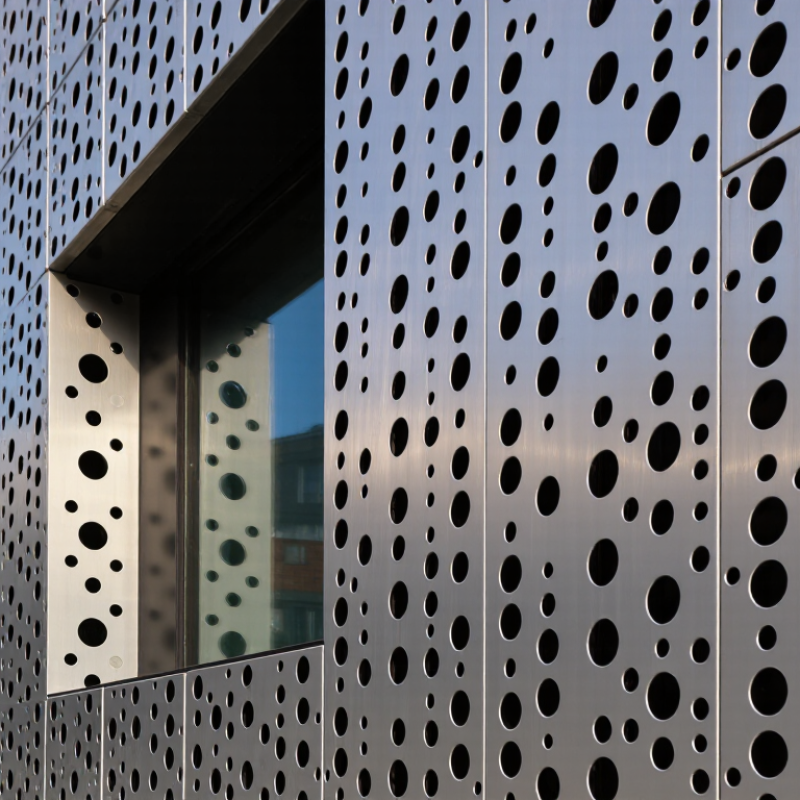
Perforated metal screens are sheets of metal punched with repeated openings. The holes may be round, square, slotted, or custom-shaped. Their size, spacing, and pattern affect airflow, visibility, shade, and strength. Air moves through. Light passes, too. A screen with small openings can provide more visual privacy, while larger holes generally allow greater airflow and clearer views. Material and finish also matter, especially where moisture, dust, or frequent handling is expected.
These screens appear on building facades, parking structures, machinery guards, ventilation panels, and interior partitions. On a sunny facade, they can soften direct light and create shifting patterns on nearby walls. In a plant room, they may help shield equipment while allowing air to circulate. They are also used for ceilings, balustrade infill, and decorative cladding. Performance depends on the full design, not just the hole shape: sheet thickness, open area, support spacing, and edge details all influence rigidity and installation.
There are trade-offs. A very open pattern can feel exposed, and a dense one may restrict airflow or collect debris. That detail is easy to underestimate. Designers should check dimensions, finish, and fixing methods against the intended environment. Samples can help assess appearance and visibility, though a small piece will not show every effect across a large facade. Even careful selection leaves room for judgment.
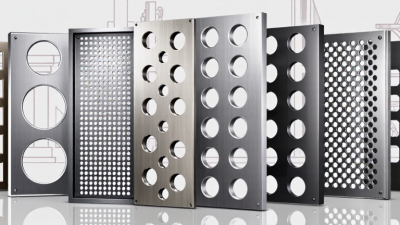
Perforated screens are used in applications such as building facades, ventilation, machine guards, and filtration. Open area affects airflow, light transmission, and screening performance.
Values are theoretical geometric open-area percentages for the stated round-hole diameter and center-to-center pitch. Square layout: π/4 × (diameter ÷ pitch)². Staggered layout: π/(2√3) × (diameter ÷ pitch)². Actual products may vary by material, tolerances, and manufacturing method.
Manufacturers on a 2026 shortlist should be assessed on measurable production quality, not polished catalogues. Reviewers can compare aperture size, sheet thickness, open-area percentage, flatness, edge burrs, and dimensional tolerances against the buyer’s drawings. Request inspection records and material certificates for the actual production batch. A sample is useful, but it cannot prove consistent output across a full order.
Material availability also matters. World Steel Association’s World Steel in Figures 2025 reports 1,882.6 million tonnes of crude steel production worldwide in 2024. That scale offers context, not proof of a supplier’s quality or capacity. Reviewers should check how manufacturers trace grades, manage tooling changes, and protect sheets during packing. Ask for clear lead-time assumptions and documented corrective actions when defects occur. Numbers help. So does a factory visit, when practical. Some judgments remain subjective: a neat sample may conceal uneven production, and published tolerances may not match real inspection practice. The evaluation should record what was verified, what was self-reported, and what still needs checking.
Profiles of 10 Leading Perforated Metal Screen Manufacturers
A useful manufacturer profile starts with what it can make consistently. One producer may specialize in standard round-hole sheets for equipment guards. Another may offer decorative patterns, where open area and appearance both matter. A heavy-gauge fabricator can suit industrial walkways. A precision shop may handle small holes and tight tolerances. Ask for sample panels. Small details show.
Other manufacturers stand out through material options, such as aluminum, stainless steel, or galvanized steel. A custom fabricator may work from drawings, while a stock-focused supplier can ship common sheet sizes faster. Some provide cut-to-size panels and formed edges. Others focus on architectural screens with carefully aligned patterns. A regional producer may simplify delivery for oversized panels. Capabilities differ.
Compare the tenth profile by checking documentation and production controls. Request material certificates, hole-size tolerances, thickness ranges, and finish details. These records help verify that a proposed screen matches the specification. Photos can show surface quality, but they cannot confirm every measurement. No profile replaces a direct technical review. Even experienced buyers can overlook edge conditions or pattern direction. A clear drawing prevents avoidable rework.
An anonymized comparison of common manufacturer capability profiles. These are industry capability categories, not verified profiles or rankings of specific companies. Material, pattern, thickness, and sheet-size availability varies by supplier and project.
| Profile | Common capability focus | Typical materials | Common perforation options | Typical applications | Key details to verify |
|---|---|---|---|---|---|
| Profile 1 General-purpose sheet producer |
Standard perforated sheets for general industrial and architectural use | Carbon steel, stainless steel, aluminum | Round, square, and slotted holes | Guards, screens, panels, and ventilation covers | Available sheet sizes, thickness range, hole size, pitch, and tolerances |
| Profile 2 Architectural screen specialist |
Decorative and functional façade or interior screen panels | Aluminum, stainless steel, carbon steel | Round, square, slotted, and custom layouts | Building façades, ceilings, sunscreens, and balustrade infill | Finish options, flatness, edge details, fixing method, and design approvals |
| Profile 3 Heavy-duty industrial fabricator |
Robust perforated plate and panels for demanding service conditions | Carbon steel, stainless steel, abrasion-resistant grades where specified | Round, square, and slotted openings | Machinery guards, screening equipment, and industrial enclosures | Plate thickness, grade certificates, load requirements, and edge reinforcement |
| Profile 4 Filtration and separation supplier |
Perforated components used as support, screening, or separation media | Stainless steel, carbon steel, aluminum, other grades by specification | Round, slotted, and application-specific hole patterns | Filters, strainers, screens, and process equipment | Opening size, open area, material compatibility, and cleaning requirements |
| Profile 5 Acoustic panel manufacturer |
Perforated face sheets for sound-absorbing panel systems | Steel and aluminum; other materials subject to system design | Regular round, square, or slotted patterns | Walls, ceilings, equipment enclosures, and acoustic screens | Tested acoustic performance of the complete assembly, not just the sheet |
| Profile 6 HVAC and ventilation component supplier |
Perforated panels and covers designed for air movement and protection | Galvanized steel, carbon steel, aluminum, stainless steel | Round, square, and slotted openings | Air grilles, equipment covers, and ventilation screens | Free area, pressure-drop requirements, corrosion protection, and dimensions |
| Profile 7 Custom-pattern punching shop |
Made-to-order patterns and panel layouts for project-specific designs | Material selected to suit forming needs, environment, and specification | Custom arrangements of round, square, slotted, or other toolable shapes | Specialty equipment, bespoke screens, and design-led panels | Tooling limits, minimum order, pattern repeat, lead time, and sample approval |
| Profile 8 Cut-to-size and finishing fabricator |
Perforated sheets converted into finished parts or assemblies | Carbon steel, stainless steel, aluminum, galvanized steel | Standard or customer-specified patterns | Cut panels, bent components, frames, and machine parts | Cutting, bending, welding, deburring, coating, and assembly capabilities |
| Profile 9 Corrosion-resistant materials supplier |
Perforated products selected for moisture, chemical, or outdoor exposure | Stainless steel, aluminum, galvanized or coated steel, as appropriate | Round, square, and slotted patterns, subject to material and tooling | Outdoor screens, washdown areas, marine-adjacent installations, and enclosures | Exact alloy or coating, environment, maintenance plan, and galvanic compatibility |
| Profile 10 Stock-sheet distributor and processor |
Common perforated sheet formats with optional processing services | Commonly stocked grades vary by market and supplier | Frequently requested standard patterns; custom work may be available | Maintenance, fabrication, construction, and replacement projects | Current stock, mill origin, traceability, cut-size service, and delivery terms |
Note: Open area depends on hole shape, hole size, pitch, and pattern layout. Request a current specification sheet and confirm project requirements directly with the supplier before ordering.
Choosing a perforated metal screen manufacturer starts with the job’s real demands. Check the metal type, thickness, hole shape, open area, and sheet size against your drawings. A screen for airflow may need a different pattern from one designed to conceal equipment or filter debris. Ask how the supplier controls hole spacing and flatness; small variations can affect installation. Review finish options and request material documentation. Clear answers matter.
Tips: Send the same drawing to each supplier. Ask for a sample panel and confirm tolerances, lead time, packaging, and shipping terms. Measure twice. Compare written details, not just prices.
Production capacity is only part of the comparison. Ask whether the team can cut, bend, or finish panels in-house, and how it handles revisions. Find out who checks the first article and what happens if dimensions are out of tolerance. A polished sample helps, but it may not represent a full production run. That is easy to overlook. Compare service quality through response times, drawing support, and realistic delivery estimates. Record assumptions before ordering, since project requirements can change—and not every comparison chart captures the awkward details.
A reliable manufacturer should understand how hole size, spacing, sheet thickness, and open area work together. These details affect airflow, weight, strength, and appearance. Ask for drawings that show tolerances, not just a sample photo. A panel can look right on a screen and still fit poorly on site. Check whether the supplier can produce your required material, such as aluminum or stainless steel, and apply the specified finish. Edges matter, too. Ask how sheets are deburred and protected from scratches during packing.
Request a sample or a small trial run when the design allows. Measure the holes, inspect the edges, and compare the panel with your drawing. Ask how quality checks are recorded and how production changes are handled. Clear answers are useful. Vague promises are not. Capacity and lead time deserve equal attention; a low quote means little if delivery slips past installation. Review packaging requirements, especially for large sheets that may bend in transit. Communication can reveal a lot, though it is not a guarantee. No checklist catches every mismatch, and I would leave room for a second review before approving full production.