2026 Top Trends in Stainless Steel Perforated Sheet Applications?
As industries evolve, the demand for innovative materials grows. The Stainless Steel Perforated Sheet stands out in this landscape. This versatile material combines strength with aesthetic appeal. Its unique perforation patterns allow for diverse applications, ranging from architectural designs to industrial uses.
In 2026, several key trends are set to shape the market for Stainless Steel Perforated Sheets. Sustainability plays a crucial role in modern manufacturing. Companies are seeking eco-friendly materials that align with their values. Additionally, customization options are becoming more important. Businesses want tailored solutions that fit their specific needs.
The versatility of Stainless Steel Perforated Sheets makes them ideal for various sectors. From construction to automotive, their applications are expanding. However, challenges remain. Companies must innovate while maintaining quality and cost-effectiveness. The future holds promise, but careful planning is necessary for success.
Emerging Applications of Stainless Steel Perforated Sheets in Architecture
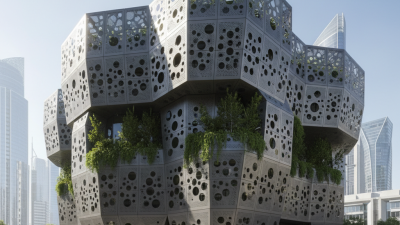
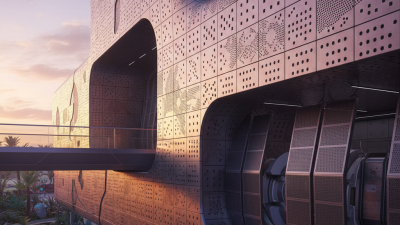
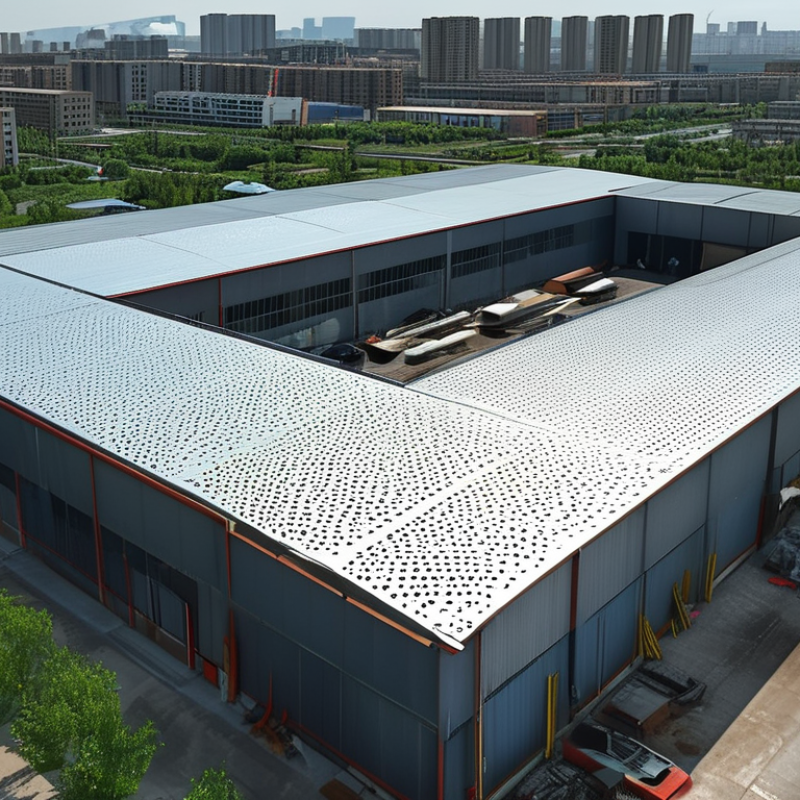
Stainless steel perforated sheets are finding innovative applications in architecture. These sheets create striking visual effects while providing practicality. According to recent industry reports, the demand for perforated sheets in architectural projects is set to grow by over 8% annually.
Architects are using these sheets in facades, sunshades, and interior designs. The ability to control light and ventilation is a key benefit. For example, sunshades made from perforated stainless steel can significantly reduce solar heat gain. A study from the Architectural Society noted that buildings incorporating these designs can achieve up to 20% reduction in energy costs.
Designers appreciate the versatility of perforated sheets. They can be customized in various patterns and sizes. This adaptability allows for unique design opportunities. However, the aesthetic appeal must balance with functionality. Poor installation can lead to maintenance challenges. Thus, guiding principles in design are needed for achieving optimal performance.
Innovative Uses in Industrial Manufacturing and Processing Sectors
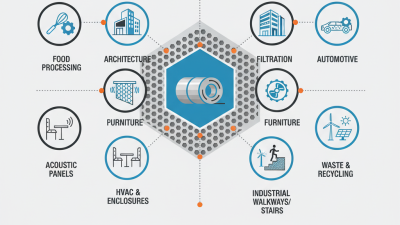
In 2026, stainless steel perforated sheets are set to revolutionize industrial manufacturing. These sheets are used for a variety of applications, from filtration to aesthetic design. They offer an excellent strength-to-weight ratio, making them ideal for both structural and functional projects. In the food processing sector, these sheets are crucial for creating sterile environments. The perforations allow air circulation while preventing contamination.
Innovative uses are emerging in construction and automotive industries. Architects are exploring these sheets for facades, as they blend functionality with visual appeal. Meanwhile, manufacturers are integrating them in sound-dampening applications within vehicles. However, challenges remain. The production process can lead to inconsistencies in perforation sizes. This requires careful quality control to maintain reliability. Furthermore, sustainability in sourcing raw materials is a growing concern. Ensuring that the steel is recycled and environmentally friendly is paramount in meeting modern standards.
2026 Top Trends in Stainless Steel Perforated Sheet Applications
| Application Area |
Innovative Use |
Benefits |
Industry Impact |
| Construction |
Facade Panels |
Aesthetic appeal with enhanced durability |
Increased energy efficiency |
| Food Processing |
Ventilation Grilles |
Promotes airflow while maintaining hygiene |
Improved safety standards |
| Automotive |
Acoustic Panels |
Reduces noise levels effectively |
Enhanced driver comfort |
| Electronics |
Heat Sinks |
Improves thermal management |
Increases device longevity |
| Architecture |
Decorative Screens |
Enhances aesthetic design |
Sustainable building practices |
| Mining |
Processing Equipment Components |
Resistance to corrosive environments |
Enhanced operational efficiency |
Trends in Home Design: Decorative Stainless Steel Perforated Elements
In recent years, decorative elements in home design have gained significant popularity. One standout feature is stainless steel perforated sheets. Their unique patterns and textures offer both aesthetic appeal and functional benefits. Homeowners often seek these materials to achieve a modern, industrial look in their interiors.
In kitchens and living spaces, stainless steel perforated panels serve various purposes. They can act as room dividers, offering privacy while still letting light flow through. In addition, these panels can be used as backsplashes or decorative wall features, adding depth and character to the space. Such applications demonstrate how design can balance beauty and practicality.
However, challenges exist. Choosing the right pattern and finish can be overwhelming. Homeowners might overlook the maintenance required to keep stainless steel looking pristine. It's essential to consider these factors when selecting perforated sheets for home design. With thoughtful planning, these elements can enhance both style and functionality in any setting.
Sustainable Practices: Recycling and Eco-friendly Aspects of Perforated Sheets
Sustainable practices are essential in today’s manufacturing landscape. Stainless steel perforated sheets are emerging as a valuable choice for eco-friendly designs. Their recyclability offers significant benefits. When these sheets reach the end of their lifespan, they can be recycled repeatedly without losing quality. This closed-loop process reduces waste and conserves resources.
In addition, the production process of perforated sheets often incorporates energy-efficient practices. Using less energy during manufacturing means a lower carbon footprint. However, the industry still faces challenges. Not all fabrication plants have adopted green technologies. This inconsistency can undermine the overall sustainability goals. It raises questions about transparency and accountability.
Moreover, some products may still contain harmful chemicals from surface treatments. This aspect requires careful consideration when choosing materials. Despite these pitfalls, the trend toward eco-friendly stainless steel sheets is growing. Continued innovation and consumer demand can drive improvements in sustainable practices. The journey toward full sustainability is ongoing, and every step counts.
2026 Top Trends in Stainless Steel Perforated Sheet Applications
Future Technologies Impacting Stainless Steel Perforation Techniques and Designs
The future of stainless steel perforation techniques is exciting. Advances in technology are shaping how perforated sheets are designed and produced. Automation is a major driver. It increases speed and precision, reducing human error in the perforation process.
Laser-cutting technology, for example, offers unmatched accuracy. The ability to create intricate patterns enhances both aesthetics and functionality. This is crucial for applications in architecture, where visual appeal matters.
3D printing also holds promise. It allows for custom designs tailored to specific project needs.
However, these innovations come with challenges. The high initial costs of advanced machinery may deter smaller companies. They may struggle to keep up with larger competitors investing in automation. Additionally, maintaining sustainability in production processes is essential. Balancing efficiency with environmental responsibility will be a key focus for the future.