What is Aluminium Perforated Panel and Its Benefits for Buyers?
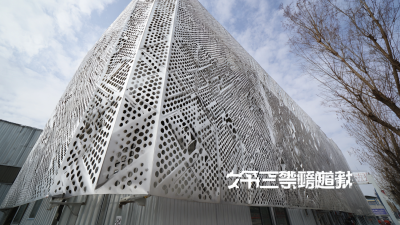
Aluminium Perforated Panels are increasingly gaining attention in various industries due to their versatility and aesthetic appeal. According to recent studies, the global market for perforated panels is projected to reach $1.5 billion by 2025, reflecting a significant demand. This increase is driven by their use in architecture, interior design, and industrial applications.
These panels not only enhance visual appeal but also offer practical benefits. They improve acoustic performance, allowing for better sound control in public spaces. Additionally, they are lightweight yet durable, making them easier to install and maintain. Industry experts note that the sustainability of aluminium also plays a key role in its popularity, as it is recyclable and energy efficient.
However, buyers should consider factors such as design options and potential long-term durability. While Aluminium Perforated Panels offer numerous advantages, understanding the specific needs and challenges of each project is essential for making informed decisions. Balancing aesthetics with functionality is crucial, paving the way for innovation in design and application.
What is an Aluminium Perforated Panel?
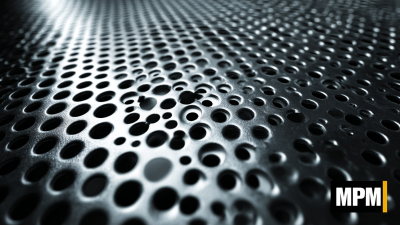
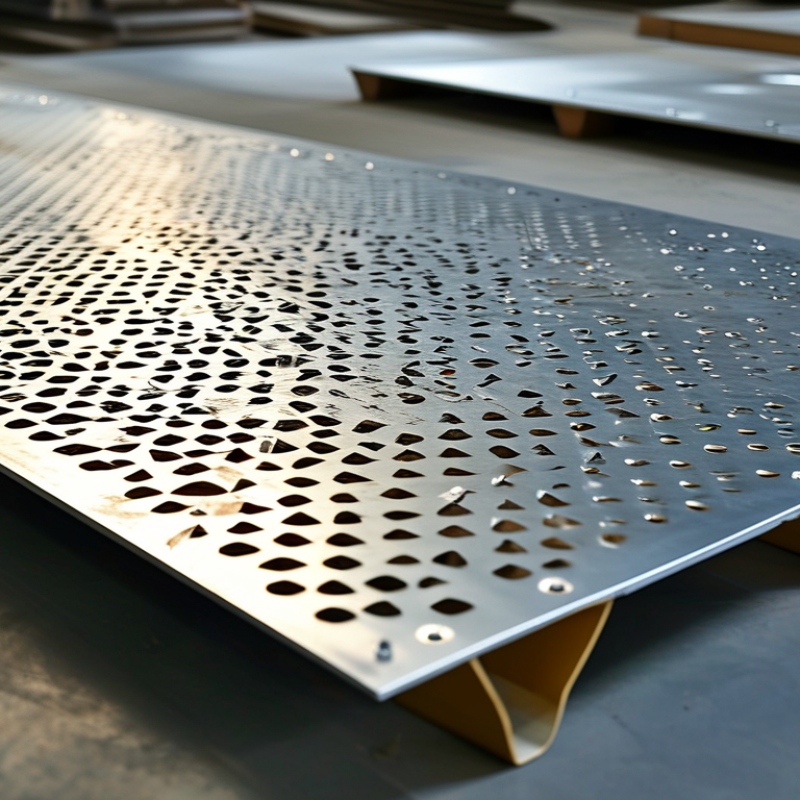
Aluminium perforated panels are advanced materials featuring holes of various shapes and sizes. They are widely used in architectural designs, offering both aesthetic and functional benefits. The versatility of these panels makes them popular in various applications, including building facades, ceilings, and noise barriers.
One major benefit of aluminium perforated panels is their lightweight nature. According to industry reports, using lightweight materials like aluminium can reduce overall building weight by up to 30%. This reduction can lead to lower transportation costs and easier installation. Additionally, aluminium is resistant to corrosion, ensuring longevity and minimal maintenance. Some studies suggest that a properly treated panel can last over 30 years without significant degradation.
Tips: When selecting perforated panels, consider the perforation pattern. Different designs can influence light diffusion and airflow. Ensure the panel thickness aligns with your structural needs. Always perform a cost-benefit analysis to confirm the investment's value.
Aluminium perforated panels also contribute to sustainability. They can be recycled, which aligns with eco-friendly construction practices. A report from the Aluminium Association highlights that 75% of aluminium ever produced is still in use today. This statistic emphasizes the material's sustainability credentials, making it a smart choice for environmentally conscious buyers.
Key Features and Characteristics of Aluminium Perforated Panels
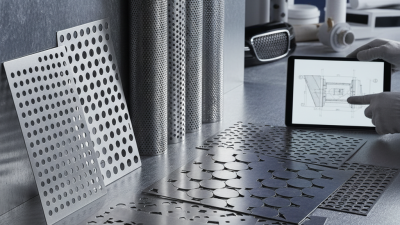
Aluminium perforated panels are versatile building materials with unique features. They are lightweight yet durable, making them suitable for various applications. The holes in these panels can be customized in size and pattern, allowing for enhanced design flexibility. This adaptability meets both functional and aesthetic needs in architecture and interior design.
One of the key characteristics of aluminium perforated panels is their ability to provide sound insulation and ventilation. The perforations allow for air circulation, reducing heat buildup. Designers appreciate how these panels can create visual interest while maintaining structural integrity. However, their effectiveness can vary based on the hole pattern and material gauge selected.
Another notable feature is their resistance to corrosion. Aluminium naturally forms a protective oxide layer, ensuring longevity even in harsh environments. This benefit reduces maintenance needs, but buyers should not overlook the importance of proper installation. The performance of these panels hinges on quality workmanship and suitable coatings. Hence, it is essential to consider these aspects before finalizing any project.
Benefits of Aluminium Perforated Panels
Advantages of Using Aluminium Perforated Panels in Construction
Aluminium perforated panels are gaining popularity in construction due to their unique attributes. These panels are lightweight yet durable, making them ideal for various applications. Their perforations allow for airflow while providing aesthetic appeal. This blend of functionality and style benefits both builders and owners alike.
One key advantage is their versatility. Builders can employ them in facades, ceilings, and even partitions. The design options are vast; from small holes to intricate patterns, the right choice can transform a space. Additionally, they can enhance acoustic performance. By absorbing sound, they contribute to quieter, more comfortable environments.
Moreover, aluminium’s resistance to corrosion ensures longevity. However, users must consider maintenance based on location. In coastal areas, for instance, salt can impact durability. Balancing design choices with practical considerations leads to better outcomes. Understanding these factors is essential for making informed decisions that enhance value and aesthetics in construction.
What is Aluminium Perforated Panel and Its Benefits for Buyers?
| Feature |
Description |
Benefits |
| Material |
Aluminium |
Lightweight yet strong |
| Design Options |
Various patterns and sizes |
Enhances aesthetic appeal |
| Durability |
Corrosion and weather resistant |
Long lifespan and low maintenance |
| Acoustic Properties |
Helps in sound absorption |
Improves indoor acoustics |
| Eco-friendliness |
Recyclable material |
Sustainable building choice |
| Installation |
Easy to install |
Saves time and labor costs |
Applications of Aluminium Perforated Panels in Different Industries
Aluminium perforated panels have a wide range of applications across various industries. In architecture, these panels are often used for facades. They provide aesthetic appeal while allowing for ventilation and light infiltration. Designers appreciate their versatility in both indoor and outdoor settings. However, achieving the right balance between design and function can be challenging.
In the automotive industry, aluminium perforated panels are also prevalent. They are used in vehicle interiors for sound dampening. These panels enhance the acoustic experience for passengers. Furthermore, their lightweight nature contributes to overall vehicle efficiency. Some manufacturers have struggled with the consistency of material quality.
In retail, these panels serve as eye-catching displays. They can support product placement and branding. The unique patterns can grab customers’ attention. Yet, retailers must consider durability. Over time, exposure to elements might affect the aesthetics of the panel. The balance between appearance and longevity remains a critical factor for many buyers.
How to Choose the Right Aluminium Perforated Panel for Your Needs
Choosing the right aluminium perforated panel requires careful consideration of various factors. These panels are widely used for aesthetics, ventilation, and sound absorption. According to a recent industry report, the demand for aluminium perforated panels has grown by approximately 8% annually, indicating their rising popularity in construction and interior design.
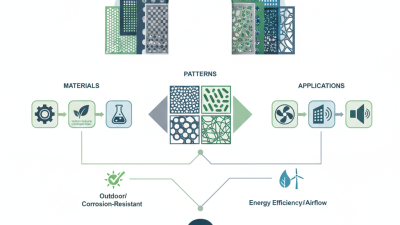
When selecting a panel, it's essential to consider the hole size and pattern. Different designs provide varying levels of light filtration and sound control. For example, larger holes allow for more airflow, while smaller holes enhance privacy. It's critical to think about the intended use. Panels in high-traffic areas should be more durable and resistant to wear and tear.
Tips: Measure your space before purchase. Ensure the panel fits your design and functional requirements. Explore local suppliers for samples. This hands-on approach will increase your satisfaction.
Another key factor is surface treatment. Panels can be coated or anodized for added durability and aesthetic appeal. According to professionals in the field, selecting the right finish can enhance longevity, reducing maintenance costs. However, always verify the specifications and environment suitability to avoid unexpected issues. Small errors in judgment can lead to significant regrets later.