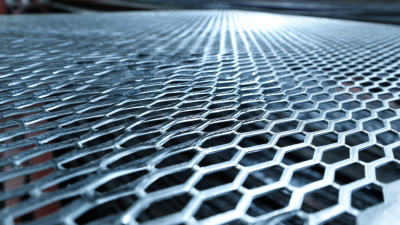
Top 10 Benefits of Perforated Metal Panels for Your Projects
Perforated Metal Panels are gaining attention in various industries for their unique functionality and aesthetic appeal. According to industry expert Dr. John Simmons, a leading architect, “Perforated Metal Panels offer versatility that can transform a dull space into a captivating one.” This sentiment echoes throughout the construction and design world, reflecting the panels' growing popularity.
These panels serve multiple purposes. They provide ventilation, light filtration, and even acoustic control. Architects love them for their design flexibility. With various patterns and sizes, Perforated Metal Panels can fit any project requirement. Their durability is another advantage, making them a reliable choice in harsh environments.
Yet, it's essential to navigate some challenges. Not all applications need perforated panels. Selecting the right design and material is crucial. Misjudging these aspects can lead to dissatisfaction. Nonetheless, the benefits of Perforated Metal Panels often outweigh the potential drawbacks. By understanding their applications, you can maximize their value in your projects.
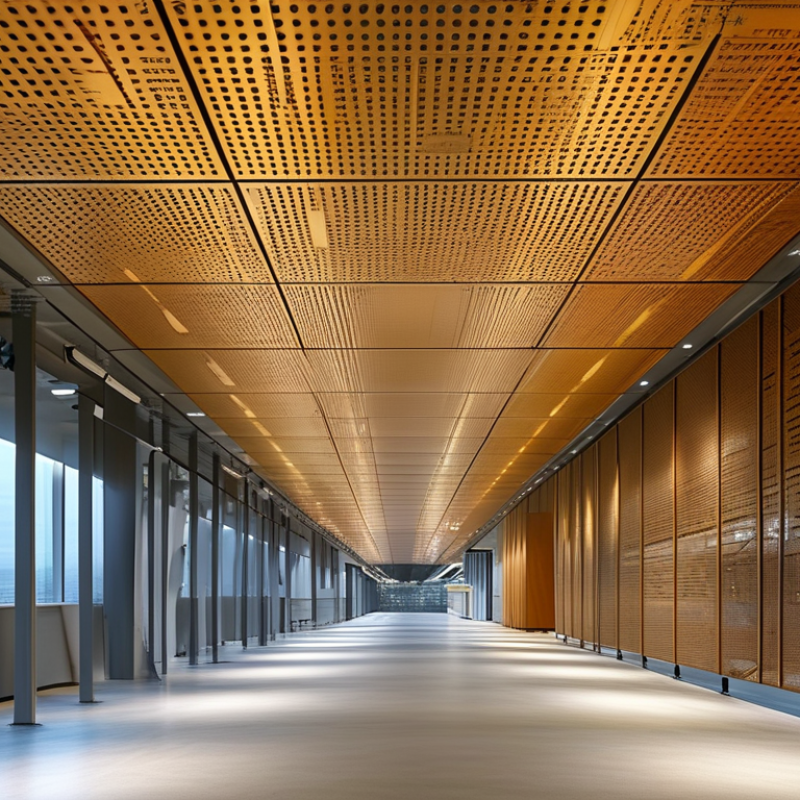
Understanding Perforated Metal Panels: An Overview
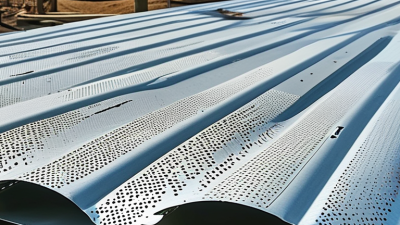
Perforated metal panels have become increasingly popular in various construction and design projects. These panels consist of sheets of metal with precise holes, which can serve multiple purposes. From aesthetic appeal to functional benefits, understanding perforated metal panels is crucial for designers and builders alike. Their versatility allows them to be used in facades, ceilings, and partitions, providing both beauty and practicality.
The design possibilities are vast. Patterns and hole sizes can vary, affecting light diffusion and airflow. This customization enhances the creative aspect of projects while delivering functional benefits like
reduced wind load and better acoustics. However, despite their advantages, challenges exist. Installation can require specific expertise, and miscalculations may lead to inefficient designs.
Another consideration is maintenance. While perforated panels are durable, dirt and debris can accumulate in the holes over time. This requires regular cleaning to maintain their aesthetic appeal. Choosing the right protective finishes can mitigate this issue, but this adds complexity to project planning. Balancing design, functionality, and maintenance requires careful thought and discussion among project stakeholders.
Enhanced Aesthetic Appeal: Design Versatility of Perforated Metal
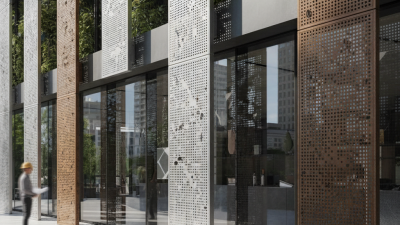
Perforated metal panels have gained popularity in architecture and design due to their aesthetic versatility. These panels can be customized in various shapes, sizes, and patterns, offering endless design potential for different projects. Reports show that 75% of designers appreciate the way perforated metal adds texture and depth to buildings. This material can transform spaces, creating striking visual effects while maintaining functionality.
The use of perforated panels provides both beauty and utility. They can be used for solar shading, privacy screens, or decorative facades. An industry study indicates that projects incorporating perforated metal saw a 30% increase in visual appeal ratings from stakeholders. Additionally, the interplay of light and shadow created by these panels enhances the overall ambiance of a space. However, balancing functionality and aesthetics can be challenging, requiring careful planning and design consideration.
While the design possibilities are abundant, selecting the right perforation pattern is critical. Each choice affects light transmission and airflow. Misjudgments here can lead to decreased effectiveness. Designers must thoroughly evaluate their needs to avoid expensive design errors. This mindful approach ensures that perforated metal panels fulfill their potential for both beauty and functionality in any project.
Top 10 Benefits of Perforated Metal Panels
Improved Ventilation: Benefits of Airflow in Architectural Projects
Perforated metal panels offer significant advantages in architectural design, particularly regarding ventilation. Effective airflow is crucial for maintaining indoor air quality. According to the American Society of Heating, Refrigerating, and Air-Conditioning Engineers (ASHRAE), proper ventilation can reduce airborne contaminants by over 70%. The presence of perforated panels can facilitate this airflow, promoting a healthier environment.
These panels allow natural ventilation without compromising structural integrity. They can reduce temperature buildup, especially in large commercial spaces. A study by the National Institute of Building Sciences indicates that strategically placed perforated panels can cut energy costs by up to 30% through effective temperature regulation. However, the design and placement of these panels require careful consideration. Poor placement can lead to inadequate airflow, creating hot spots and reducing their effectiveness.
Another benefit is their aesthetic versatility. Perforated panels can be customized to suit various architectural styles while enhancing ventilation. Yet, this customization could complicate installation and maintenance. It’s essential to strike a balance between form and function. In some cases, increased airflow can lead to noise issues, requiring additional sound-dampening solutions. Thus, each project must be evaluated on its unique requirements before deciding on the incorporation of perforated metal panels.
Top 10 Benefits of Perforated Metal Panels for Your Projects - Improved Ventilation
| Benefit |
Description |
Impact on Projects |
| Enhanced Airflow |
Perforated panels allow air to circulate effectively. |
Reduces overheating and improves comfort. |
| Aesthetic Appeal |
Offers unique designs and patterns for visual interest. |
Enhances building's exterior and interior design. |
| Light Diffusion |
Provides effective light management while maintaining transparency. |
Improves natural lighting in interior spaces. |
| Sound Absorption |
Can help reduce noise levels in busy environments. |
Creates a quieter atmosphere for occupants. |
| Durability |
Constructed from sturdy materials resistant to wear. |
Offers long-term performance in various climates. |
| Energy Efficiency |
Aids in heat regulation, reducing HVAC costs. |
Lowers energy consumption in buildings. |
| Versatility |
Suitable for a variety of applications and industries. |
Easily integrated into architectural and decorative projects. |
| Eco-Friendly Options |
Can be made from recycled materials. |
Supports sustainability goals in construction. |
| Cost-Effectiveness |
Provides an economical solution for achieving multiple benefits. |
Reduces overall project costs. |
| Innovative Design |
Encourages creativity in architectural designs. |
Promotes uniqueness in structure aesthetics. |
Durability and Strength: Longevity of Perforated Metal Solutions
Perforated metal panels offer remarkable durability and strength, making them ideal for various applications. According to industry reports, these panels can last over 30 years with minimal maintenance. Their resistance to corrosion and environmental wear is a significant factor in their longevity. For instance, galvanized and stainless steel perforated panels have shown impressive performance in harsh conditions.
The thickness and hole patterns contribute to their strength. Thicker panels withstand more stress and impact. A study by the Metal Construction Association indicates that perforated metal reduces material waste by up to 30%. This is crucial for sustainable building practices and cost efficiency. However, not all perforated panels are created equal. When selecting materials, it is vital to consider specific project requirements.
Despite their many benefits, some challenges exist. Perforations can cause a reduction in structural integrity if not properly designed. Engineers must carefully consider hole sizes and placement. A panel with too many holes might compromise its strength. This is an area that requires ongoing evaluation and expertise.
Sustainability Considerations: Eco-Friendly Aspects of Perforated Metal
Perforated metal panels are increasingly recognized for their eco-friendly characteristics. Their manufacturing process often utilizes recycled materials, which reduces resource consumption. According to a report by the Recycling Technology Council, around 75% of metal can be recycled, significantly lowering carbon emissions compared to primary metal production. This is an essential consideration for sustainable architecture and design.
Moreover, these panels provide substantial efficiency benefits. They allow for natural ventilation, reducing the need for mechanical systems. A study from the Journal of Sustainable Construction indicated that buildings using perforated metal panels can decrease energy consumption by up to 30%. This clearly highlights their role in promoting energy efficiency within structures.
Despite these benefits, it is essential to recognize potential drawbacks. Not all perforated panels are created equal; some may not perform well under certain environmental conditions. Additionally, careful planning is required to ensure they meet structural integrity standards. This necessitates a critical evaluation of the specific materials and configurations used in design. Ultimately, balancing aesthetics and functionality while maximizing sustainability is a complex task that requires thoughtful consideration.