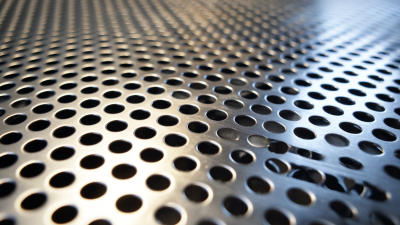
Top 10 Benefits of Using Perforated Steel Mesh in Construction Projects?
In the ever-evolving construction industry, innovative materials play a crucial role. One such material is Perforated Steel Mesh. Experts emphasize its significance, and none speaks more clearly than Dr. Emily Carter, a leading authority in construction materials. She states, "Perforated Steel Mesh offers unmatched versatility and strength in various applications."
Perforated Steel Mesh stands out for its unique properties. It provides structural integrity while allowing airflow and light penetration. This combination is vital for modern building designs. Architects and engineers appreciate its aesthetic appeal and functionality. Projects that incorporate this material benefit from reduced weight and enhanced durability.
However, the adoption of Perforated Steel Mesh also requires careful consideration. Some may overlook the importance of proper installation techniques. Without the right expertise, its advantages may not be fully realized. Balancing cost and performance becomes a challenge. Exploring the top benefits of Perforated Steel Mesh is essential for making informed decisions in construction projects.
Benefits of Durability and Strength in Construction Applications
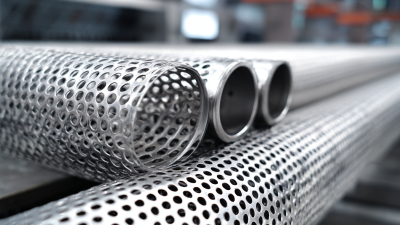
Perforated steel mesh is a game changer in construction. Its strength and durability stand out in various applications. Builders value how this material withstands harsh conditions. It resists corrosion and endures heavy loads, making it ideal for structural support. In high-stress environments, perforated steel mesh shows minimal wear over time.
When using perforated steel mesh, consider the thickness and hole size. These factors greatly influence the material's strength. Select a mesh that suits your specific project requirements. It's crucial to match the mesh design with the intended load-bearing capacity.
Sometimes, builders overlook the importance of proper installation. Poor placement can undermine even the toughest materials. Ensure that your team is trained on the best practices for using perforated steel mesh. Regular inspections can also help identify potential issues early, maintaining the integrity of your construction.
Enhanced Aesthetic Appeal of Perforated Steel Mesh Designs
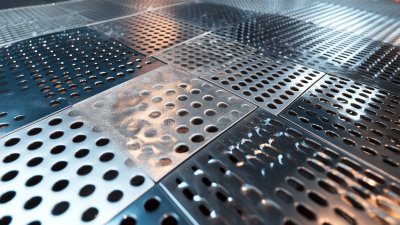
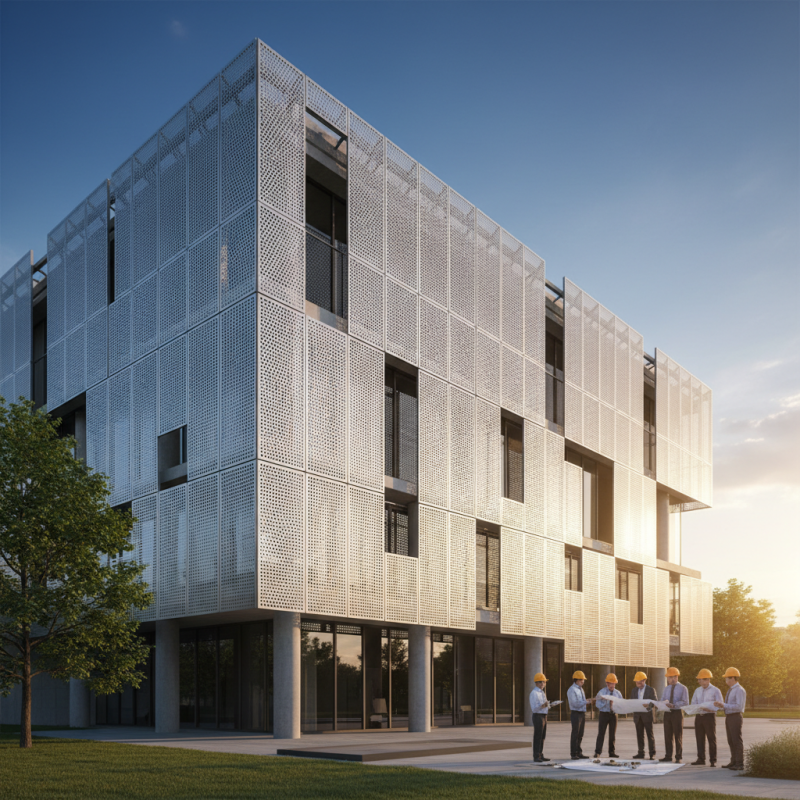
Perforated steel mesh is gaining popularity in construction, particularly for its aesthetic appeal. Architects appreciate its versatility in design. Research shows that incorporating perforated materials can enhance visual interest while allowing for functional benefits like ventilation and light control.
A recent study highlighted that buildings featuring architectural metal products increased interest from potential buyers by 30%. Such materials create dynamic facades, promoting a modern image. For instance, a well-placed perforated steel screen can break the monotony of plain walls. It adds depth, encouraging a narrative within the structure.
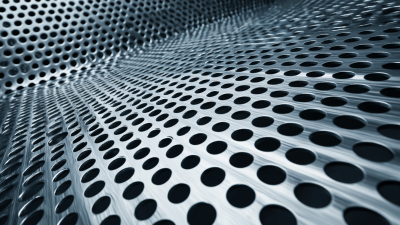
Tip: Consider the thickness and size of the perforations. Different designs can influence both aesthetics and functionality. Using larger holes enhances airflow but may reduce visual privacy. Balancing beauty with purpose is crucial.
Another aspect is the finish of the steel mesh. From galvanized to powder-coated options, finishes can affect the appearance. A matte finish may suit a minimalist design, while glossy finishes can make a bold statement. Always consult design professionals to find the right fit for your project.
Top 10 Benefits of Using Perforated Steel Mesh in Construction Projects
| Benefit |
Description |
| Enhanced Aesthetic Appeal |
Perforated steel mesh can be tailored into various designs, enhancing the visual appeal of buildings and structures. |
| Lightweight Material |
Its light weight reduces structural loads, making it easier to handle and install. |
| Versatility |
Can be used in a variety of applications, including facades, ceilings, and fencing. |
| Durability |
Steel mesh is strong and resistant to environmental wear, ensuring longevity. |
| Improved Airflow |
Allows for better air circulation in buildings, contributing to energy efficiency. |
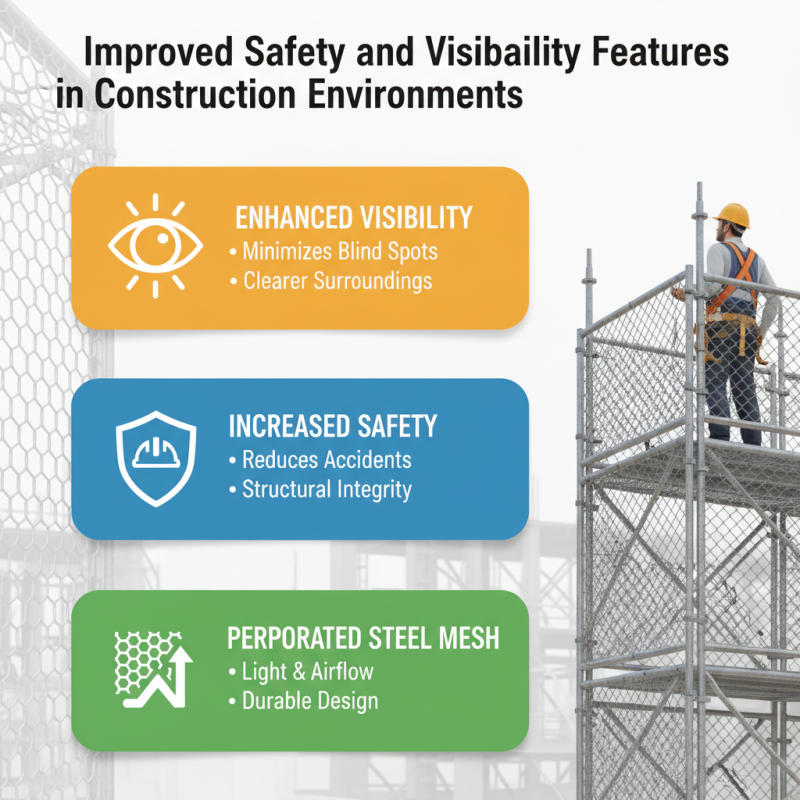
| Safety Features |
Can serve as protective barriers while maintaining visibility and light. |
| Customizability |
Easily customizable in terms of hole size and pattern to meet specific needs. |
| Cost-Effective |
Offers a balance between quality and cost, making it an economical choice for builders. |
| Sustainability |
Recyclable material that contributes to environmentally friendly construction practices. |
| Easy Maintenance |
Requires minimal upkeep and can be easily cleaned and maintained. |
Versatility of Applications Across Various Construction Projects
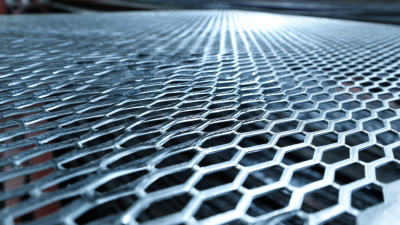
Perforated steel mesh is gaining popularity in various construction projects for its versatility. This material allows for effective drainage and ventilation. Architects and builders appreciate its lightweight nature, which simplifies handling and installation. The open design of the mesh provides excellent structural support while maintaining airflow. This is especially beneficial in projects that require temperature regulation and moisture control.
In residential and commercial buildings, perforated steel mesh can be used in facades, ceilings, and even screens. Its aesthetic appeal complements modern design trends. This mesh can also withstand harsh weather, making it suitable for exterior applications. However, it is crucial to consider the specific needs of each project. For example, the gauge of the mesh should align with load-bearing requirements. Overlooking these details can lead to unforeseen issues.
Moreover, sustainability is a key factor. Perforated steel can be recycled, reducing waste. Proper maintenance is required to prevent corrosion. Regular inspections will help ensure long-term performance. Despite these challenges, the benefits often outweigh them. The adaptability of perforated steel mesh makes it a wise choice for innovative construction solutions.
Cost-Effectiveness in Long-Term Building Solutions and Maintenance
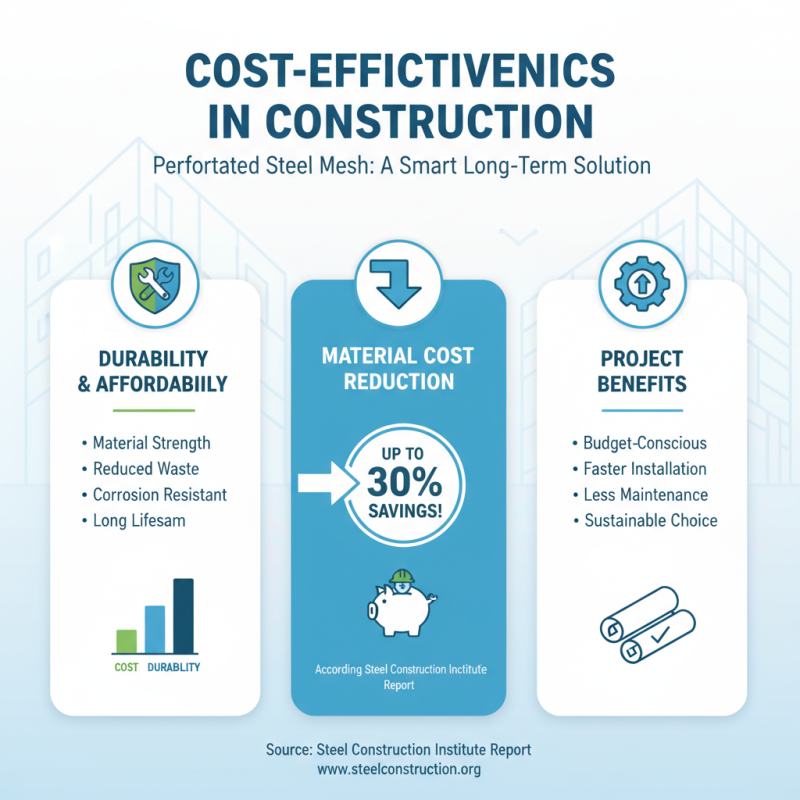
Perforated steel mesh has gained traction in construction projects due to its cost-effectiveness. This type of material offers a balance between durability and affordability, making it an attractive option for builders. According to a report by the Steel Construction Institute, using perforated steel can reduce material costs by up to 30%. This significant reduction is crucial for budget-conscious projects.
In terms of long-term maintenance, perforated steel mesh showcases its resilience. Its design allows for better air and water flow, reducing the risk of rust and corrosion. The National Institute of Standards and Technology notes that structures utilizing such materials can experience a 25% decrease in ongoing maintenance costs. While these benefits are substantial, some projects may encounter challenges related to installation techniques or specific environmental conditions, necessitating careful planning.
Sustainability is also a noteworthy aspect. Using recycled steel for perforated mesh contributes to lower carbon footprints. Reports show that recycled steel can reduce emissions by approximately 70%, a crucial factor in today's eco-conscious environment. However, reliance on recycled materials can lead to variations in quality. Builders must weigh these factors against the potential savings, emphasizing the importance of robust project management in construction endeavors.