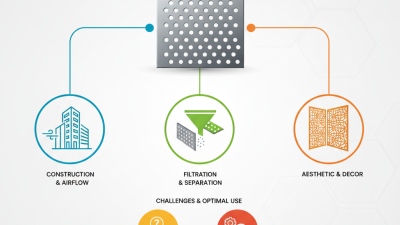
Top Benefits of Using Perforated Steel Panels for Your Projects?
Perforated Steel Panels are gaining popularity across various industries. These innovative materials offer unique benefits that enhance functionality and aesthetic appeal in architectural designs. Architects and builders increasingly rely on perforated steel panels due to their versatility and durability.
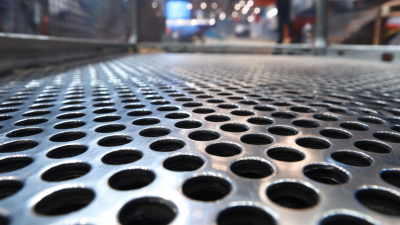
One key advantage of using perforated steel panels is their ability to provide ventilation while maintaining security. The small holes in the panels allow air and light to pass through. This feature is particularly valuable in environments that require airflow, such as in commercial buildings. Additionally, perforated steel panels are lightweight yet strong, making them easy to install and handle.
However, the use of perforated steel panels is not without its challenges. Selecting the right hole pattern and size can be a complex task. It requires careful consideration of both design and practical requirements. Despite these challenges, the benefits of perforated steel panels make them a worthy investment for sustainable and modern projects. Their blend of functionality and style has established them as a go-to material in contemporary construction.
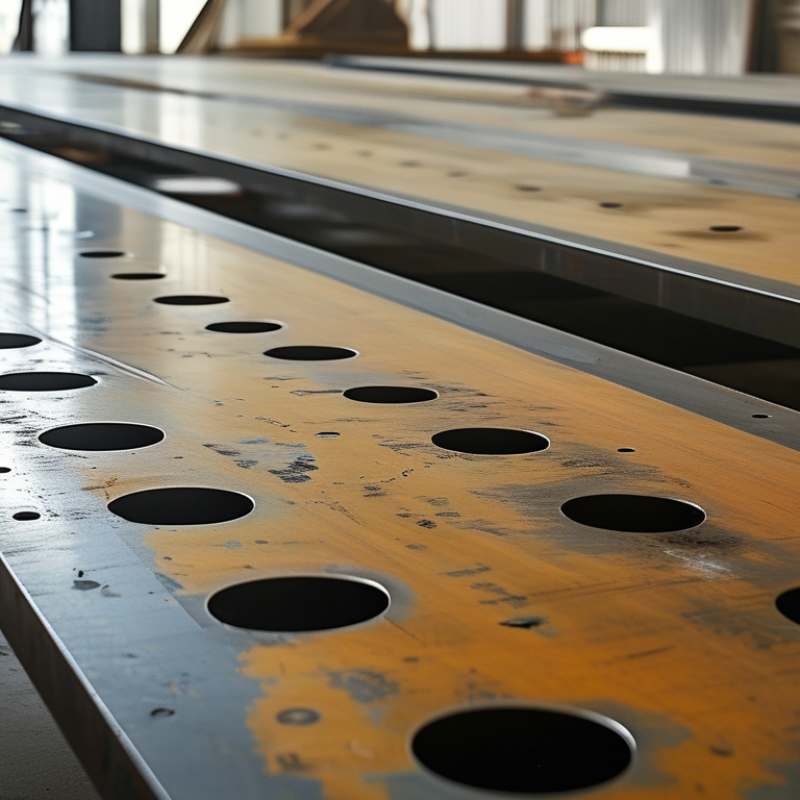
Advantages of Perforated Steel Panels in Architectural Design
Perforated steel panels have gained traction in architectural design for their unique blend of functionality and aesthetics. These panels offer the beauty of intricate patterns while maintaining strength and durability. According to a report by the Steel Construction Institute, designs that incorporate perforated panels can enhance natural light while providing thermal regulation. This makes them ideal for environmentally-conscious projects.
One of the striking aspects of perforated steel is its versatility. Designers can customize hole sizes and patterns, allowing for creative expression. Additionally, the panels can contribute to noise reduction in urban settings, as noted in a study by the Acoustical Society of America. This combination of benefits makes perforated steel panels a smart choice for both commercial and residential structures.
When considering perforated steel panels for a project, it's essential to understand the design's impact on both aesthetics and functionality. Ensure that the chosen patterns align with the building’s purpose. Testing panel samples can also reveal how different hole sizes will affect light and sound. Finally, always review local building codes to confirm compliance.
Enhanced Aesthetic Appeal through Perforated Steel Applications
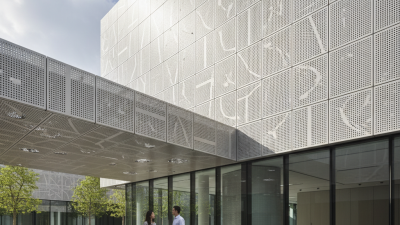
Perforated steel panels can transform the look of any project. Their versatility allows for creative designs that attract attention. Architects and designers increasingly choose these panels. They offer a modern aesthetic that blends well with various materials, enhancing visual appeal.
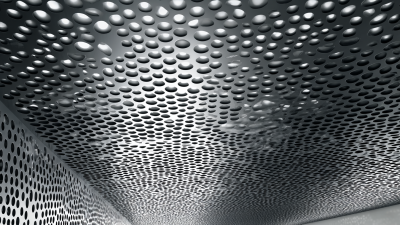
Using perforated steel adds a unique texture. Light interacts with the holes, creating interesting shadow patterns. This effect can change throughout the day, offering dynamic aesthetics. Additionally, customization options abound. Different hole sizes and patterns provide endless design possibilities.
Despite their aesthetic advantages, there can be challenges. Finding the right balance between style and functionality is critical. Ensuring durability while maintaining a sleek appearance may require careful consideration. Some designs may appear stunning but may have maintenance concerns or limit airflow. Engaging with professionals can help navigate these complexities successfully.
Top Benefits of Using Perforated Steel Panels for Your Projects
Improved Ventilation and Light Penetration with Perforated Panels
Perforated steel panels are gaining attention for their unique benefits in modern architecture and construction. One of the standout features is their ability to enhance ventilation. Numerous studies, including a report from the International Journal of Ventilation, indicate that buildings utilizing perforated panels can improve air circulation by up to 30%. Improved airflow reduces reliance on HVAC systems, which can lower energy costs significantly.
Light penetration is another critical advantage of perforated panels. The holes allow natural light to filter through, illuminating spaces without the need for artificial lighting during the day. According to research published by the Building Research Establishment, buildings with high levels of natural light can increase productivity and well-being for occupants by as much as 15%. This dual benefit leads to healthier, more enjoyable spaces.
However, there are challenges to consider. The design of perforated panels must balance aesthetics and functionality. An overly complex design may hinder airflow and light transmission. Additionally, the installation process can be labor-intensive, requiring skilled workers to ensure accuracy. These factors must be weighed carefully against the advantages perforated panels offer.
Durability and Longevity of Perforated Steel in Construction Projects
Perforated steel panels have become a go-to option in construction due to their impressive durability and longevity. These panels can withstand harsh weather conditions, including heavy rain, wind, and intense sunlight. Their resistance to corrosion makes them suitable for both outdoor and indoor applications. Additionally, they maintain their structural integrity over time, reducing the need for frequent replacements. This durability ultimately leads to significant cost savings for projects.
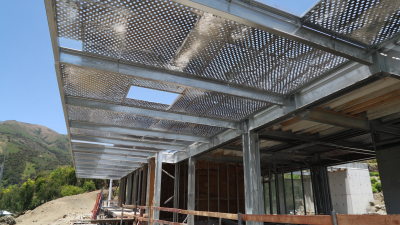
Another benefit of perforated steel lies in its versatility. Whether used in building facades or interior partitions, these panels offer aesthetic appeal without sacrificing strength. However, it’s worth considering that the design and arrangement of perforations need careful planning. Improperly designed panels can lead to unsatisfactory performance in terms of sound insulation or light filtration. It’s essential to weigh the design choices against practical needs for performance.
Perforated steel panels can enhance ventilation, promoting energy efficiency. Nonetheless, projects should ensure that ventilation adequately meets specific requirements. The balance between design and function is crucial. Incorporating these materials demands an eye for detail and a commitment to quality standards. Building professionals must reflect on their choices to maximize the benefits of perforated steel in their designs.
Top Benefits of Using Perforated Steel Panels for Your Projects
| Benefit |
Description |
Durability Rating |
Longevity (Years) |
| Corrosion Resistance |
Perforated steel panels offer excellent resistance to rust and corrosion, ideal for various environmental conditions. |
High |
50+ |
| Weight Efficiency |
Lighter than solid steel, these panels reduce the overall weight of structures without compromising strength. |
Medium |
25+ |
| Aesthetic Versatility |
Available in various patterns and finishes, they enhance architectural design while maintaining functionality. |
High |
30+ |
| Sustainability |
Made from recyclable materials, perforated steel panels contribute to sustainable building practices. |
Medium |
40+ |
| Sound Reduction |
The perforation design allows for sound absorption, making them suitable for noise-sensitive applications. |
Variable |
20+ |
Sustainability Benefits of Using Perforated Steel Panels
Perforated steel panels offer significant sustainability benefits for various projects. They are made from recyclable materials, which reduces waste. This feature allows for a more circular economy, where materials can be reused and repurposed. Additionally, perforated panels can improve energy efficiency in buildings. They provide natural ventilation, reducing the need for mechanical cooling systems. This can lead to lower energy consumption and greenhouse gas emissions.
Using perforated steel panels can also enhance aesthetic appeal. The design possibilities are endless, ranging from simple patterns to intricate designs. This flexibility allows architects to incorporate eco-friendly elements without sacrificing visual quality. However, it’s important to consider the balance between style and functionality. Not every design choice leads to optimal performance.
Tips for utilizing perforated steel panels include considering the local climate. In warmer areas, maximize shading to further enhance energy efficiency. Also, choose panel thickness wisely. Thicker panels may better withstand harsh conditions. Evaluate the long-term sustainability of your materials. Always ask questions and ensure options align with environmental goals.