What Are the Benefits of Using Perforated Aluminum Sheet?
Perforated aluminum sheets have gained significant attention in various industries. Their unique attributes make them versatile for applications like architecture, filtration, and more. According to a report by Smith & Johnson Analytics, the demand for perforated metals is projected to grow by 4% annually. This growth reflects the increasing recognition of the benefits of using perforated aluminum sheets.
Industry expert Dr. Emily Harris emphasizes, "Perforated aluminum sheets offer both aesthetic appeal and functional benefits." This duality is vital in modern design and engineering. Their lightweight nature, coupled with durability, makes them a go-to material. However, challenges remain in ensuring precise perforation patterns for specific applications. A lack of standardization can lead to inconsistencies, requiring careful consideration during the design process.
Furthermore, while the advantages are clear, not all perforated aluminum sheets are created equal. Variations in quality can impact performance and longevity. It's essential to source sheets from reputable manufacturers. Investing in quality means optimizing performance and reducing long-term costs. Always weigh the benefits against potential pitfalls before making a decision.
Benefits of Perforated Aluminum Sheet in Industrial Applications
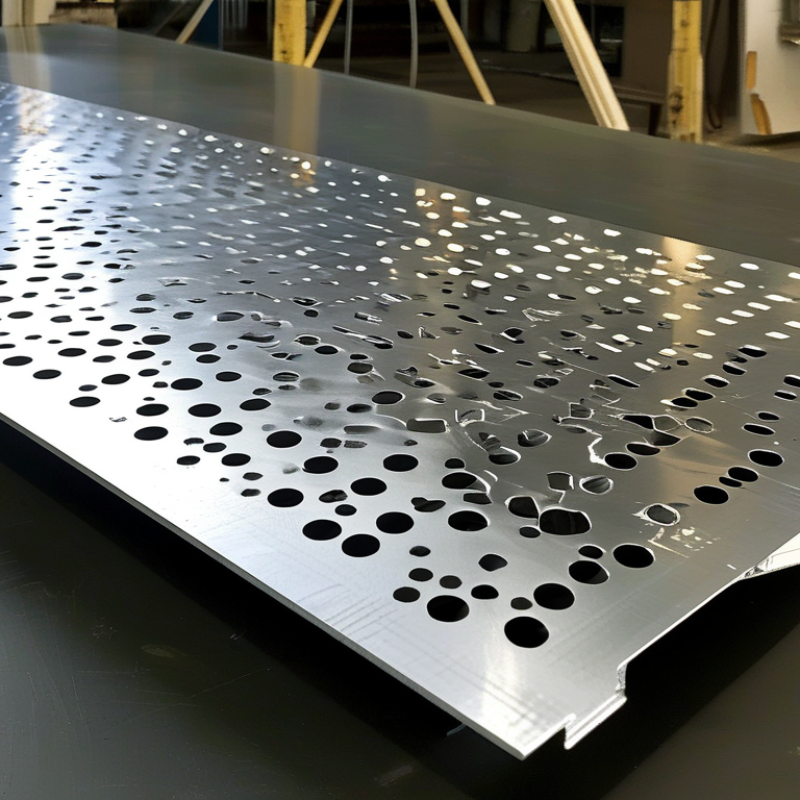
Perforated aluminum sheets offer distinct advantages in industrial applications. These sheets, characterized by a series of holes, improve structural integrity while reducing weight. According to a recent industry report, the use of perforated aluminum can reduce material weight by up to 20%, enhancing efficiency in many projects. This lightweight property is beneficial for applications such as architectural facades, automotive parts, and HVAC systems.
Moreover, perforated aluminum sheets provide excellent ventilation. In settings like factories or warehouses, airflow is crucial for temperature control. The perforated design allows for optimal air circulation while maintaining security and protection. A study indicated that facilities using perforated materials experienced a 15% increase in energy efficiency due to improved airflow and reduced cooling costs.
Despite these benefits, selecting the right perforation size and pattern requires careful consideration. Each application may present unique challenges. For instance, larger holes may weaken the material, leading to structural concerns. Industry experts emphasize the need for thorough assessments to find the perfect balance between ventilation and strength. Appropriate testing during the design phase can prevent costly adjustments later on.
Enhancing Aesthetics with Perforated Aluminum Sheet Design Flexibility
Perforated aluminum sheets offer remarkable design flexibility, enhancing aesthetics in various applications. Their customizable hole patterns allow architects and designers to craft unique facades that stand out. This adaptability can transform ordinary spaces into visually striking environments. For instance, a perforated screen can add depth and texture to a simple building, creating captivating shadows and light play.
The versatility extends beyond appearance. Designers often use these sheets in furniture and interior decor. A perforated aluminum panel can serve as an eye-catching room divider, ensuring airflow while maintaining privacy. However, the selection of patterns and hole sizes requires careful thought. Designers must balance visual appeal and functionality to ensure the final product meets practical needs.
Despite their many advantages, perforated aluminum sheets can present challenges. The manufacturing process might lead to imperfections, such as uneven hole sizes. These inconsistencies may compromise the aesthetic vision. Therefore, collaboration between designers and fabricators is essential. Open communication ensures that the final design aligns with both artistic intent and structural integrity.
Energy Efficiency: How Perforated Aluminum Sheets Contribute to Sustainability
Perforated aluminum sheets offer significant energy efficiency benefits. Their unique design allows for better airflow and light penetration while maintaining structural integrity. This attribute is vital in reducing energy consumption. Buildings utilizing perforated sheets often require less artificial lighting and climate control. Consequently, they consume less energy, promoting overall sustainability.
Moreover, the lightweight nature of aluminum contributes to reduced transportation costs. When these sheets are used in architecture, they can effectively lower the weight of exterior cladding. This can lead to fewer resources needed for structural support. However, it’s essential to acknowledge that not every project may reap these benefits equally.
While perforated aluminum sheets enhance sustainability, they also raise questions. Are there applications where their benefits are overestimated? Some designs might not fully utilize their properties, leading to wasted material and effort. Reflecting on these points can drive innovations on how to implement perforated aluminum effectively in different contexts.
What Are the Benefits of Using Perforated Aluminum Sheet? - Energy Efficiency: How Perforated Aluminum Sheets Contribute to Sustainability
| Dimension |
Benefit |
Impact on Energy Efficiency |
Sustainability Contribution |
| Thickness |
Lightweight yet strong |
Reduces material usage |
Less energy in transport and production |
| Perforation Size |
Allow airflow |
Improves ventilation efficiency |
Supports natural cooling |
| Finish Type |
Corrosion resistant |
Increases lifespan |
Reduces waste and resource consumption |
| Recyclability |
100% recyclable |
Encourages recycling practices |
Minimizes environmental footprint |
| Design Flexibility |
Customizable patterns |
Enhances aesthetic and functional design |
Promotes innovative sustainable architecture |
Sound Absorption Properties of Perforated Aluminum in Acoustic Applications
Perforated aluminum sheets are increasingly recognized for their remarkable sound absorption properties. In acoustic applications, these sheets play a vital role in managing sound reflections. Their unique design allows sound waves to pass through, reducing echo and enhancing sound clarity in spaces like auditoriums and recording studios.
The holes in the aluminum can vary in size and spacing, which affects sound absorption. Smaller holes may absorb higher frequencies, while larger perforations can target lower frequencies. This adaptability makes perforated aluminum a versatile choice for architects and engineers seeking to control sound in diverse environments. Various applications include walls, ceilings, and decorative features that also serve an acoustic purpose.
However, the aesthetic impact of perforated aluminum should not be overlooked. Its sleek design complements modern architecture while ensuring functionality. At times, achieving the right balance between design and sound absorption can be challenging. Not all projects may achieve their desired acoustic performance, prompting ongoing experiments and refinements in the use of this material.
Cost-Effectiveness: Long-term Savings from Using Perforated Aluminum Sheets
Perforated aluminum sheets offer significant cost-effectiveness for various projects. Their lightweight nature reduces shipping costs and simplifies installation. Additionally, these sheets can be cut to size easily, which minimizes waste and further lowers expenses. The durability of aluminum translates to longer service life, providing savings over time.
One aspect often overlooked is maintenance. Perforated aluminum sheets resist corrosion and require less frequent upkeep. This can lead to reduced labor costs and fewer interruptions for repairs. However, not all applications will benefit equally. In specific environments, aluminum may not hold up as expected. Evaluating your project’s needs is crucial to ensure these sheets are the right choice.
Investing in perforated aluminum sheets can yield long-term savings. They balance initial expenses with future benefits. However, it's wise to consider specific conditions that may affect performance. While they generally provide great value, assessing individual circumstances will lead to better financial decisions.