What Are the Benefits of Using Perforated Corrugated Metal Panels?
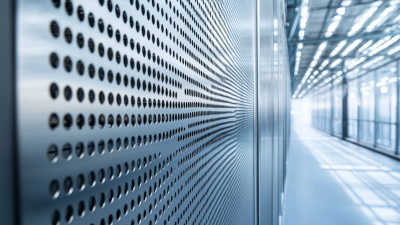
Perforated Corrugated Metal Panels offer a unique blend of functionality and aesthetic appeal. These versatile materials are increasingly used in various applications, from architectural designs to industrial environments. Their distinctive perforations allow for light and air to pass through, creating dynamic spaces while maintaining structural integrity.
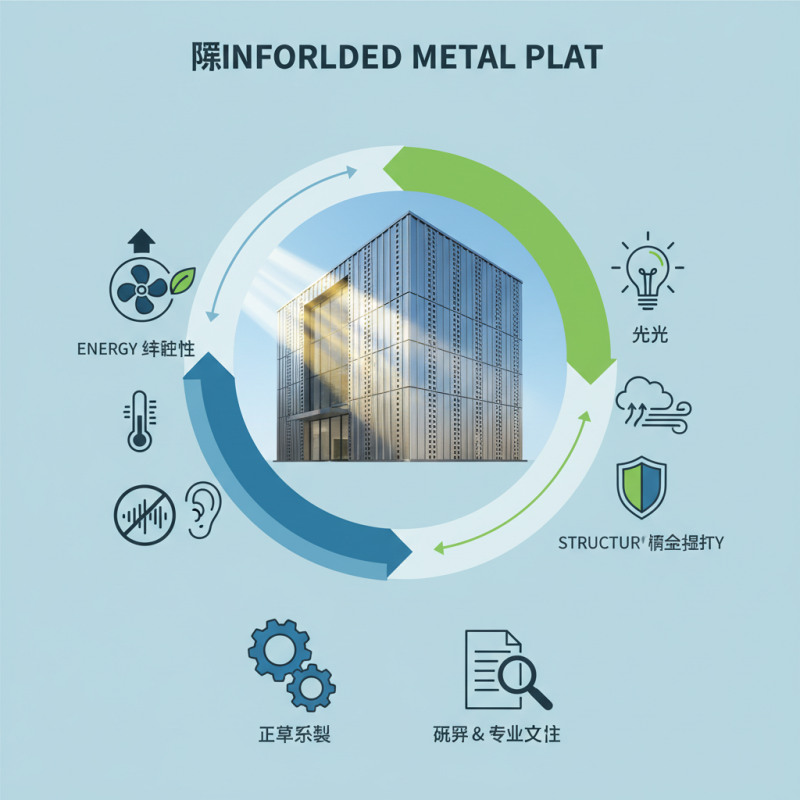
The benefits of Perforated Corrugated Metal Panels extend beyond mere aesthetics. They can improve energy efficiency by reducing heat buildup in buildings. This quality makes them a smart choice for environmentally conscious designs. Additionally, they provide essential sound attenuation, making them suitable for noisy urban settings. However, improper installation can lead to issues like corrosion.
Despite these advantages, potential users must carefully consider their specific needs and challenges. The effectiveness of Perforated Corrugated Metal Panels largely depends on the choice of materials and installation methods. Engaging with experienced professionals ensures optimal performance. Therefore, it is crucial to research thoroughly and reflect on how this innovative solution can best serve your project.
Overview of Perforated Corrugated Metal Panels
Perforated corrugated metal panels have gained popularity in various industries due to their unique features. These panels combine the durability of metal with functional design, offering both aesthetic appeal and practicality. The perforations create ventilation, allowing air and light to pass through while still providing structural integrity. This makes them ideal for applications in architecture, signage, and industrial settings.
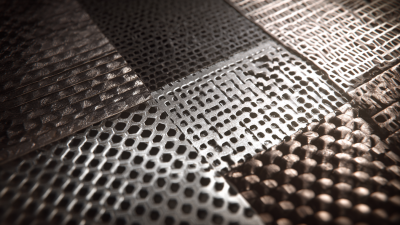
The use of perforated corrugated metal panels enhances spaces through thoughtful design. Architects appreciate the balance between light control and thermal regulation. The varying sizes and shapes of the perforations can be customized to achieve specific looks. This can create dynamic visual effects, adding character to buildings. Yet, designers must carefully consider these details; improper sizing might lead to insufficient support or unwanted glare.
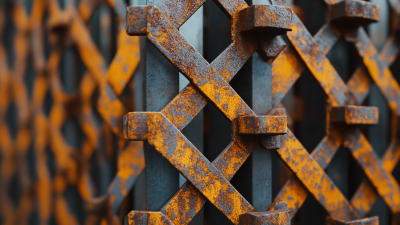
Another benefit is their lightweight nature, enabling easy installation. However, potential downsides include susceptibility to corrosion if not adequately treated. Regular maintenance is essential to ensure longevity. The choice of perforated metal can be great, yet decision-makers must weigh both aesthetics and functionality. Every project invites reflection on these possibilities to achieve the desired outcome.
Key Benefits of Using Perforated Metal Panels in Construction
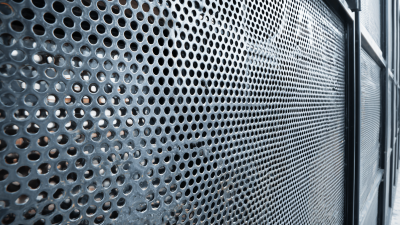
Perforated metal panels bring unique benefits to construction projects. These panels allow for controlled airflow and natural light, enhancing the building's energy efficiency. Architects appreciate their versatility, fitting various design styles. The holes can be customized in size and pattern, providing aesthetic appeal and functional benefits.
In addition to aesthetics, perforated panels improve acoustics. They can absorb sound, making them suitable for public spaces. Buildings in urban areas benefit from this feature by reducing noise pollution. Another advantage is the panels' durability. They resist corrosion and withstand harsh weather, ensuring longevity.
An important aspect of using perforated metal panels is maintenance. While they are durable, dirt and debris can accumulate in the holes. Regular cleaning is essential to maintain their appearance and function. This aspect can be overlooked, leading to potential issues over time. Therefore, it's crucial to incorporate maintenance strategies into the design phase for long-term success.
What Are the Benefits of Using Perforated Corrugated Metal Panels? - Key Benefits of Using Perforated Metal Panels in Construction
| Benefit |
Description |
| Lightweight |
Perforated corrugated metal panels are typically lighter than solid panels, making them easier to transport and install. |
| Aesthetic Appeal |
These panels can enhance the architectural design of a building, offering a modern and sleek look. |
| Ventilation |
They allow for airflow while still providing a physical barrier, which is beneficial for cooling and ventilation. |
| Sound Absorption |
The perforations can help to reduce noise levels within a space by absorbing sound. |
| Durability |
Manufactured from strong materials, these panels are resistant to harsh environmental conditions and corrosion. |
| Versatility |
They can be used in a variety of applications, from facades to partitions to ceilings. |
| Sustainability |
Often made from recyclable materials, they contribute to more sustainable building practices. |
Applications of Perforated Corrugated Metal Panels in Design
Perforated corrugated metal panels are increasingly popular in modern design. Their unique aesthetic and functional benefits make them versatile in various applications. Architects and designers often use these panels for facades, skylights, and interior spaces.
One primary application is in building exteriors. Perforated panels can control light and airflow effectively. This feature enhances energy efficiency and elevates design creativity. Using these panels allows designers to experiment with patterns and textures, creating striking visual impacts. For instance, a building could use contrasting panel designs to reflect the surrounding environment.
Tips: When choosing perforated panels, consider the hole size and spacing. Larger holes may increase airflow but reduce privacy. Also, think about the material's durability. Aluminum is lightweight and rust-resistant, making it a common choice.
Another application is in acoustics. Perforated panels can help manage sound in large spaces like auditoriums. Designers can strategically position these panels to absorb or diffuse sound waves. However, not all perforated designs offer the same acoustic properties. Testing different configurations might lead to surprising results.
Tips: For acoustic applications, verify the panel's sound absorption rating. Also, examine the thickness of the material. Thicker panels can provide better sound isolation but may be heavier. Balancing aesthetics and functionality is crucial in these decisions.
Environmental Advantages of Perforated Metal in Building Projects
Perforated corrugated metal panels offer unique environmental benefits in building projects. They improve air circulation while minimizing energy usage. This feature helps maintain a comfortable indoor climate, reducing reliance on heating and cooling systems. Many architects prefer these panels for energy-efficient designs. The perforations allow natural light to filter through without sacrificing privacy.
Using perforated metal can also reduce material waste. These panels are often lightweight, which means less energy is used in transportation. The manufacturing process typically generates fewer greenhouse gas emissions. Moreover, they can be made from recyclable materials, contributing to sustainability. However, some may worry about their durability in extreme weather.
Additionally, the aesthetic appeal of perforated metal can enhance a building's design. The varied patterns enable creative expression while maintaining functionality. Still, it is crucial to consider local climate and building codes. This careful planning can help ensure long-term performance. Balancing form and function is essential for successful architectural solutions.
Maintenance and Durability of Perforated Corrugated Metal Panels
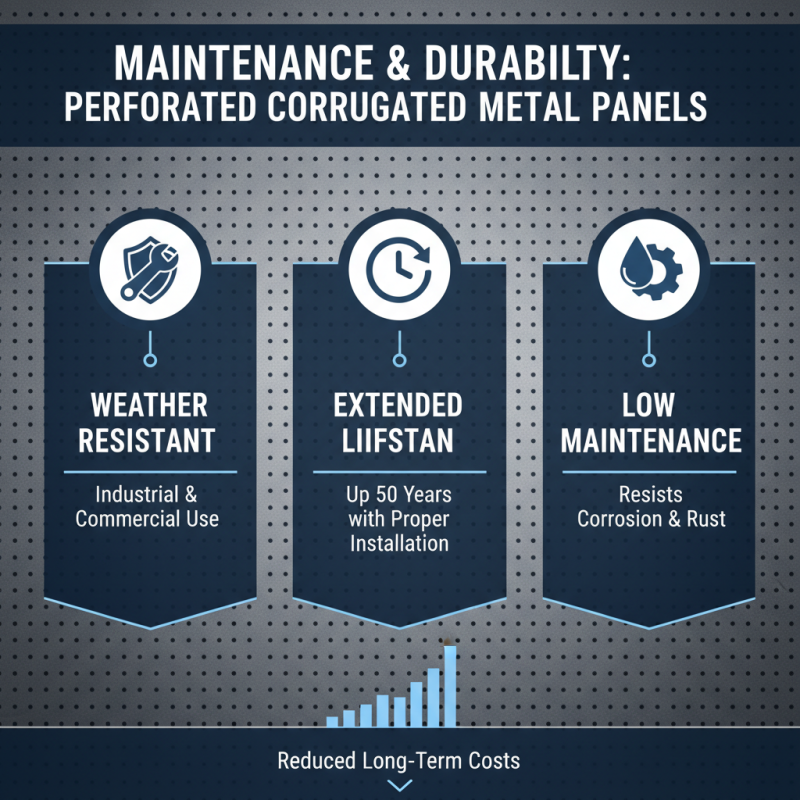
Perforated corrugated metal panels offer notable benefits in terms of maintenance and durability. These panels are designed to withstand various weather conditions, making them ideal for both industrial and commercial applications. According to industry reports, proper installation can extend the lifespan of these panels up to 50 years. Their resistance to corrosion and rust significantly reduces long-term maintenance costs.
The perforated design allows for better air circulation, which contributes to the longevity of the panels. With reduced moisture retention, the risk of mold and mildew is minimized. Regular inspections are recommended, but the need for extensive repairs can be low. Studies show that maintenance costs can be as much as 30% lower compared to non-perforated alternatives due to fewer issues over time.
However, some challenges exist. Dust and debris can accumulate in the perforations, necessitating occasional cleaning. This maintenance requirement, though minimal, highlights the importance of regular upkeep. Additionally, the initial cost might be higher than other materials. Despite this, the long-term benefits often outweigh these concerns, making perforated corrugated metal panels a viable option for durable construction.