China Best Perforated Corrugated Metal for Global Buyers?
The demand for Perforated Corrugated Metal is on the rise globally. This innovative material combines strength and aesthetic appeal, making it a preferred choice in various industries. From construction to art installations, its versatility is evident.
China stands out as a leading supplier in this market. They offer a wide range of options, meeting diverse buyer needs. However, quality control remains a significant concern. Some products do not meet international standards, leading to potential issues for buyers.
Global buyers need to be cautious. Research is essential to ensure quality and reliability when sourcing Perforated Corrugated Metal from China. Engaging with reputable manufacturers can help mitigate risks. Ultimately, the choice of material can impact project success.
Top Features of Perforated Corrugated Metal from China
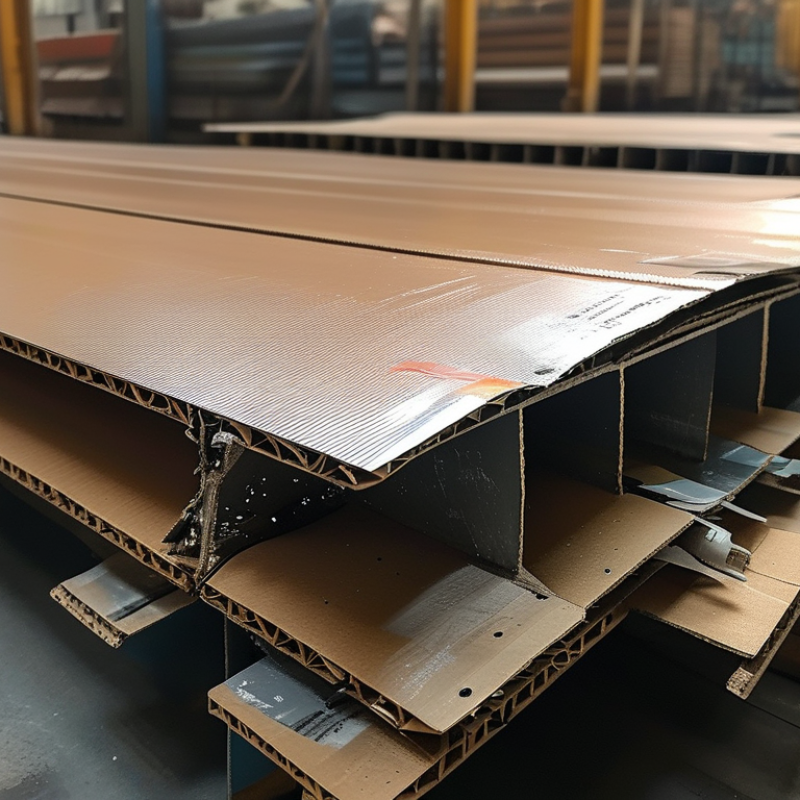
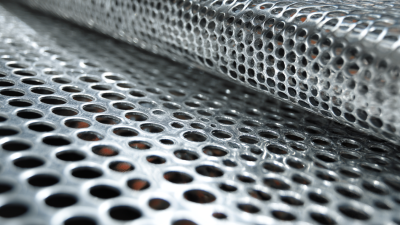
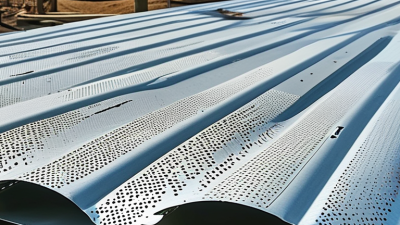
Perforated corrugated metal from China offers unique design possibilities. This material combines strength and versatility, making it suitable for various applications. It stands out in architecture, landscaping, and industrial projects. The great aspect is its customizability. Buyers can choose hole sizes, patterns, and spacing, allowing for tailored solutions.
The durability of this metal is another key feature. It resists corrosion and environmental wear, ensuring a long lifespan. Many applications require these qualities, especially in harsh environments. However, not all products meet the same standards. It's essential for buyers to assess the quality carefully. Some manufacturers may cut corners, leading to inferior products that compromise performance.
The aesthetic appeal is significant too. Perforated patterns add visual interest to facades and installations. Incorporating natural light and ventilation enhances functionality. Despite these advantages, potential buyers should note inconsistencies in manufacturing processes. Some variations might affect performance and appearance. Careful selection of suppliers helps mitigate risks, ensuring optimal results.
China Best Perforated Corrugated Metal for Global Buyers? - Top Features of Perforated Corrugated Metal from China
| Feature |
Description |
Advantages |
| Durability |
Highly resistant to corrosion and wear. |
Long lifespan even in harsh environments. |
| Customization |
Available in various sizes, patterns, and finishes. |
Meets diverse project requirements and aesthetics. |
| Lightweight |
Designed to be structurally strong yet lightweight. |
Easier handling and installation, reducing labor costs. |
| Cost-Effectiveness |
Competitive pricing for high-quality materials. |
Maximizes budget while maintaining quality standards. |
| Sustainability |
Made from recyclable materials. |
Environmentally friendly choice for construction projects. |
Applications of Perforated Corrugated Metal in Global Markets
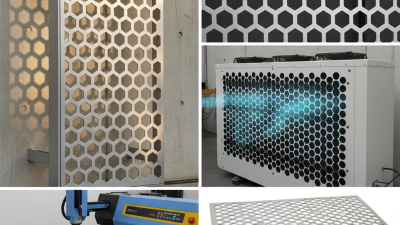
Perforated corrugated metal has found extensive applications in various global markets. This material combines strength with versatility. Its unique design allows for light transmission and airflow while maintaining structural integrity. These features make it ideal for use in architectural elements. Large companies and small businesses alike utilize it in facades, sunshades, and interior partitions.
In the automotive industry, perforated metal is crucial for manufacturing grills and ventilation systems. The material’s durability helps in noise reduction and thermal management. Meanwhile, in the agricultural sector, it supports ventilation and drainage in storage facilities and greenhouses. Its use in filtration systems ensures that air and water quality meet necessary standards.
Despite its advantages, some challenges remain. Manufacturing tolerances can vary, leading to inconsistencies. This may affect the overall performance in specific applications. Also, while it is versatile, improper installation can compromise the material's benefits. Continuous research and development are essential to address these issues and optimize performance in all applications.
Quality Standards for Perforated Corrugated Metal in China
Perforated corrugated metal is a vital material in various industries, including construction and architecture. In China, the quality standards for perforated corrugated metal have grown increasingly stringent, aligning with international benchmarks. Reports indicate that 80% of manufacturers now comply with ISO 9001 standards, ensuring consistent quality.
To meet these standards, manufacturers utilize advanced technology and rigorous testing procedures. They regularly check for thickness, hole accuracy, and corrosion resistance. However, the variability in production processes still presents challenges. Some manufacturers may struggle to maintain uniformity, leading to quality discrepancies that can affect project outcomes.
Tips: When sourcing perforated corrugated metal, prioritize suppliers with clear quality certifications. Request sample materials to evaluate physical properties before making larger orders. It’s crucial to communicate your quality expectations clearly.
Overall, while advances have been made in the production of perforated corrugated metal, prospective buyers should remain vigilant. The competitive landscape may lead some companies to cut corners. Take the time to research and verify the quality assurance practices of potential suppliers to ensure durability and performance in your projects.
Comparative Analysis of Chinese vs. Global Suppliers
When analyzing perforated corrugated metal suppliers, Chinese manufacturers often stand out. They offer competitive pricing and a variety of products. However, the quality can vary significantly between suppliers. Many global buyers appreciate the affordability of Chinese metal sheets, but they must tread carefully. Not every supplier adheres to high standards.
Quality control is one of the critical areas for potential issues. Some suppliers may cut corners to reduce costs. This practice can lead to inconsistent product performance. Global buyers often seek suppliers with a proven track record, but that doesn’t guarantee perfection. It is essential to conduct thorough research before making decisions.
Furthermore, the logistics of purchasing from China can be challenging. Shipping times vary, and communication barriers may complicate orders. Buyers should consider these factors when comparing with local suppliers. In some cases, local options offer quicker turnaround and clearer communication, which can outweigh cost benefits. Investing time in understanding these dynamics can lead to better purchasing outcomes.
Future Trends in Perforated Corrugated Metal Manufacturing in China
The perforated corrugated metal industry in China is experiencing significant transformation. Recent reports indicate that market demand is expected to grow at a compound annual growth rate (CAGR) of 5.1% from 2023 to 2028. This growth is driven by diverse applications in construction, architecture, and environmental management. Manufacturers are increasingly exploring innovative designs and materials, aiming for enhanced functionality and aesthetic appeal.
One striking development is the shift towards sustainability. Many manufacturers are adopting eco-friendly materials and practices. The use of recycled metal in production has increased by nearly 30% over the past five years, highlighting a crucial trend. However, some companies struggle to meet international sustainability standards, raising questions about compliance. The inconsistency in quality control can also impact buyer confidence.
Technological advancements play a crucial role in shaping future trends. Automation and smart manufacturing processes are already being integrated into production lines. These innovations enhance precision and reduce waste. Nonetheless, not all manufacturers are equipped to adopt these technologies. Many smaller firms face challenges in funding, leading to a potential divide within the industry. This can create opportunities for larger players while smaller companies may risk falling behind in the rapidly evolving market landscape.
Future Trends in Perforated Corrugated Metal Manufacturing in China