How to Choose Perforated Corrugated Metal for Your Project?
Choosing the right perforated corrugated metal for your project can be crucial. This material is increasingly popular in construction and design due to its versatility. According to a report by the Metal Construction Association, the demand for perforated metal products has grown by 25% over the last five years. This trend highlights the importance of making informed decisions about materials.
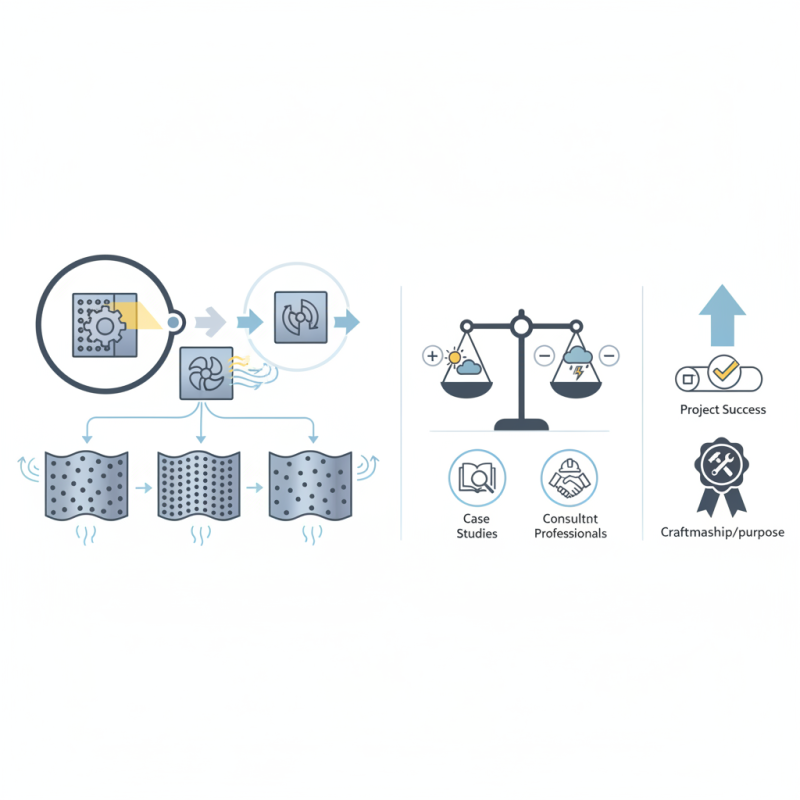
Industry expert John Avery notes, "The correct choice in perforated corrugated metal can enhance both aesthetics and functionality." His insight emphasizes the critical role of this material in modern applications. Understanding how perforated designs influence both light transfer and airflow is essential. Each project may have different requirements that impact the choice of perforation patterns.
It's important to weigh both advantages and drawbacks when selecting perforated corrugated metal. Some configurations may not suit all environments or aesthetics. Analyzing case studies or consulting professionals can provide clarity. The right choices will ultimately contribute to the project's success, reflecting both craftsmanship and purpose.
Factors to Consider When Choosing Perforated Corrugated Metal
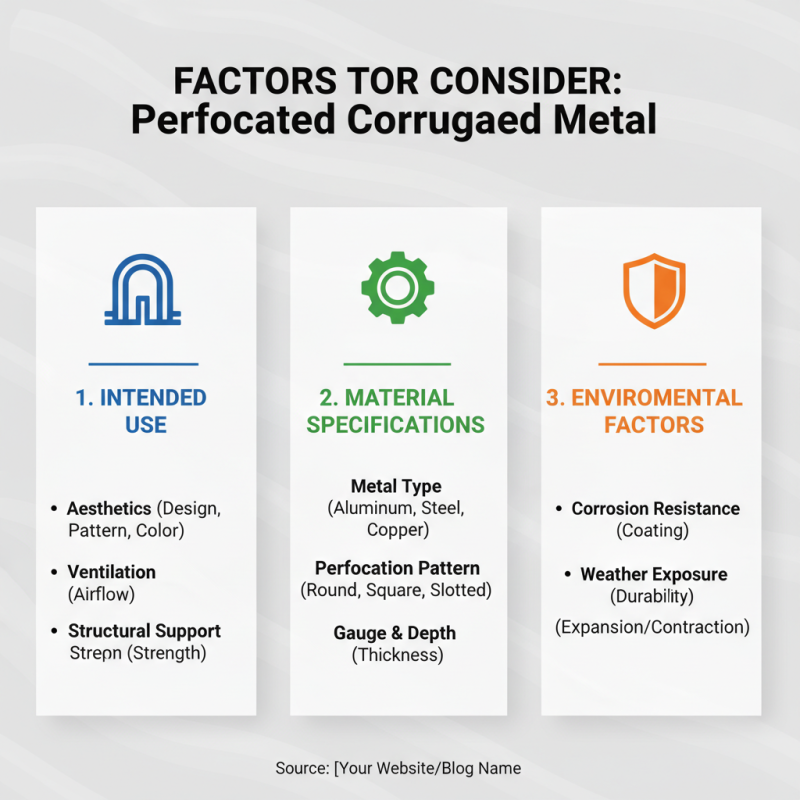
When selecting perforated corrugated metal, various factors can impact your decision. Understanding the intended use is crucial. Are you using it for aesthetics, ventilation, or structural support? Each purpose demands different specifications. For example, a design-focused application may require a specific pattern or color, while a functional use might prioritize durability and strength.
Another vital aspect is the gauge of the metal. Thicker metal provides enhanced strength but may not be necessary for lighter applications. Pay attention to the size and shape of the perforations as well. Larger holes may offer better airflow, while smaller ones can reduce visibility. Explore different patterns, such as staggered or aligned, as they influence both performance and appearance.
Lastly, be aware of the environmental conditions. Is the metal exposed to rain or snow? Will it endure harsh temperatures? Corrosion resistance becomes essential in such cases. Consideration of the finish is also important. A protective coating can increase lifespan but may alter appearance. Balancing aesthetics and functionality often requires careful thought and adjustment. The choices you make today could significantly affect your project in the future.
Types of Perforated Patterns and Their Applications
Choosing the right perforated corrugated metal involves understanding the types of perforated patterns available and their specific applications. Various patterns serve distinct purposes. For instance, round holes are popular for ventilation, allowing airflow while maintaining structural integrity. Studies show that round perforations can increase airflow by up to 50%, making them suitable for industrial applications.
Slot patterns, on the other hand, are advantageous for sound attenuation. They help absorb noise, making them ideal for environments where sound control is critical. Metal manufacturers report that slotted perforations can reduce decibel levels by at least 10 dB in certain applications. However, the effectiveness largely depends on the spacing and size of the slots.
Tips: Carefully consider your project's specific requirements before selecting a pattern. Ensure that the chosen perforation aligns with the intended use. If aesthetics matter, explore patterns like decorative shapes which can enhance visual appeal. Lastly, consult industry experts to guide your selection process, especially in complex projects. This can help avoid costly mistakes later on.
Durability and Maintenance of Perforated Corrugated Metal
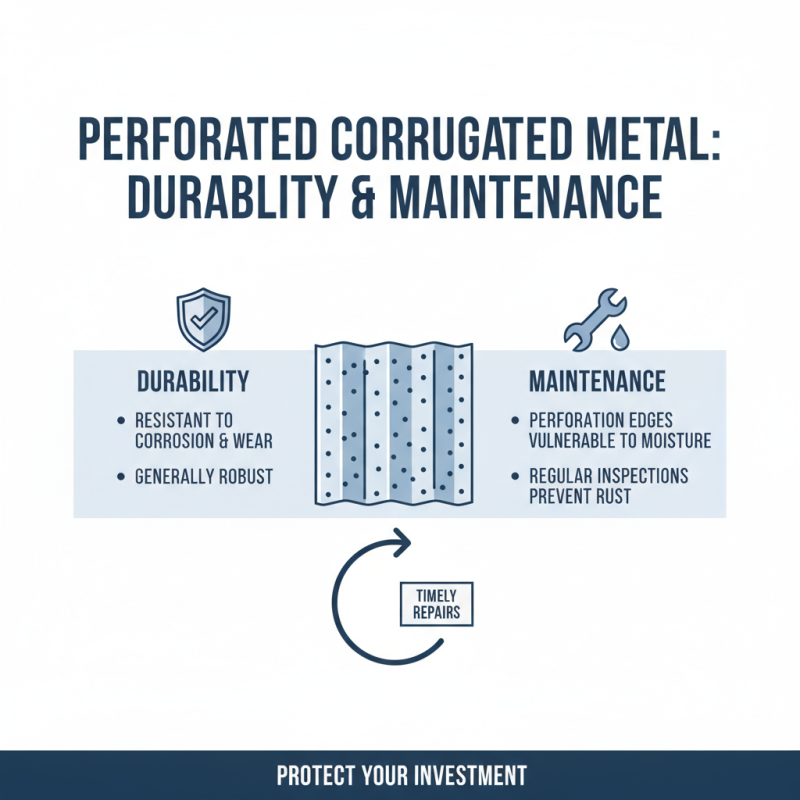
When considering perforated corrugated metal for your project, durability and maintenance are crucial factors. This material is generally resistant to corrosion and wear. However, the perforations can expose edges to moisture. Over time, this may lead to rust if not properly maintained. Regular inspections help identify early signs of corrosion, allowing for timely repairs.
Cleaning is essential for the longevity of your metal surface. Use a gentle detergent and water to remove dirt and debris. Avoid abrasive cleaners that could damage the surface. Applying a protective coating can enhance durability. Yet, these coatings may require reapplication every few years, adding to maintenance efforts.
The aesthetic appeal of perforated metal should not overshadow its functional needs. Aesthetic perforations might require more careful handling compared to solid panels. Although perforated designs are modern and visually striking, they need consideration when exposed to extreme weather conditions. Reflecting on these elements can lead to better choices for your project.
Sizing and Customization Options for Your Metal Panels
When choosing perforated corrugated metal for your project, sizing and customization options play a crucial role. Understanding your project’s specific needs is vital. For instance, panel dimensions can vary widely. Standard sizes may not fit every application. Taking exact measurements is essential to ensure the panels fit perfectly.
Consider the thickness of the metal as well. Thicker panels offer better durability, but may add weight. This can affect installation and support structures. Thin panels are lighter but may not withstand harsh conditions. Customization options can also enhance functionality.
You might want to select the size of the perforations strategically. Larger holes allow more airflow but can compromise strength. Smaller holes provide better support but limit ventilation. Striking the right balance is key. Evaluating the environment and structural demands helps make informed choices. Each decision shapes the overall performance and aesthetics of the project. This complexity requires careful thought. Test different configurations, even if it feels time-consuming. The right choice enhances the project's success.
How to Choose Perforated Corrugated Metal for Your Project? - Sizing and Customization Options for Your Metal Panels
| Dimension |
Thickness (mm) |
Hole Diameter (mm) |
Hole Pattern |
Panel Finish |
| 1200mm x 2400mm |
1.0 |
5.0 |
Square |
Galvanized |
| 1000mm x 2000mm |
1.5 |
10.0 |
Round |
Powder Coated |
| 1500mm x 3000mm |
2.0 |
8.0 |
Staggered |
Anodized |
| 1200mm x 3000mm |
1.2 |
6.0 |
Diagonal |
Brushed |
Cost Considerations and Budgeting for Your Project
When budgeting for perforated corrugated metal, start with your project's specific needs. Consider the dimensions and design requirements. Different projects will demand various thicknesses and patterns. For instance, architectural applications might require intricate designs, while industrial uses may focus on durability. Research current market prices to get a range. Prices can vary based on material availability.
Think about your project's use and environment. Will this metal face harsh weather? Coatings to prevent rust could add to costs, but they can also extend the material lifespan. Evaluate if the added expense justifies the benefits. Factoring in shipping costs is crucial too. Large sheets can be bulky and may come with extra fees.
Don't overlook potential waste during installation. Improper cuts and miscalculations can lead to overspending. It's wise to consult with experts who can guide you on estimates and necessary quantities. While seeking to save, ensure quality is not compromised for the sake of cost. Reflection on these aspects will aid in making informed decisions and a realistic budget for your project.
Cost Comparison of Perforated Corrugated Metal Options
This chart compares the cost per square foot of various types of perforated corrugated metal used in construction projects. Standard steel is the most economical option, while stainless steel comes at a premium price due to its durability and resistance to corrosion.