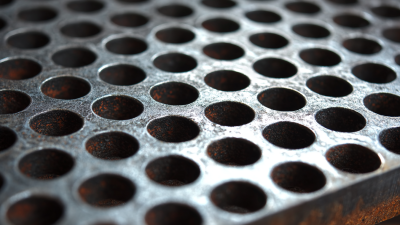
How to Choose the Right Perforated Steel Sheet for Your Project?
Choosing the right Perforated Steel Sheet for your project is critical. It impacts design, functionality, and cost. According to a report by Industry Research, the global perforated metals market is expected to reach $9.79 billion by 2026, reflecting its growing significance across various sectors.
Expert Jack Thompson, a leading figure in the perforated steel industry, emphasizes, “Selecting the right sheet can make or break your project.” This highlights the importance of understanding your specific needs. Perforated Steel Sheets come in various patterns, thicknesses, and materials, each suitable for different applications.
Consideration of manufacturing methods is also crucial. Not all manufacturers maintain consistent quality, leading to potential pitfalls. It's easy to overlook details like hole size or spacing. Misjudgments here can result in less-than-ideal performance. Assessing the right perforation for ventilation or aesthetic purposes requires careful thought and analysis.
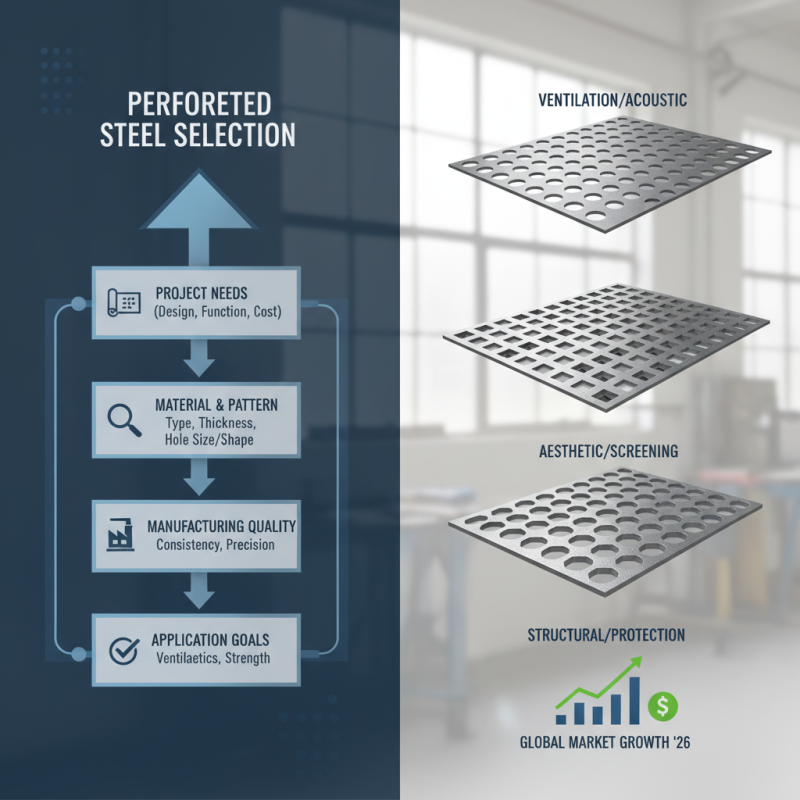
Understanding Perforated Steel Sheets: Types and Applications
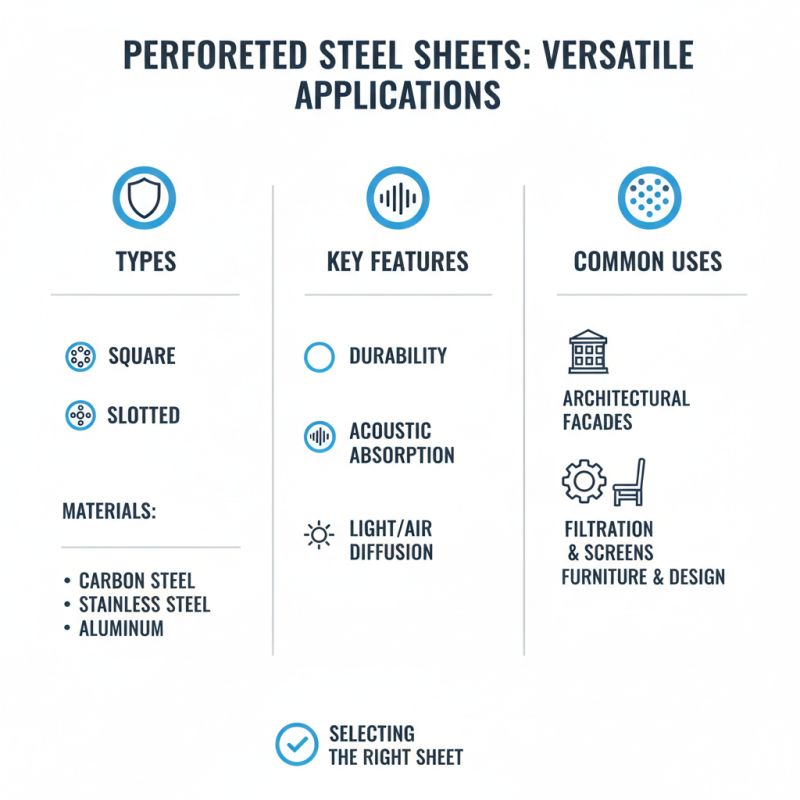
Perforated steel sheets are versatile materials used in various projects. They come in different types and have unique applications. Understanding these factors is crucial for selecting the right sheet for your needs.
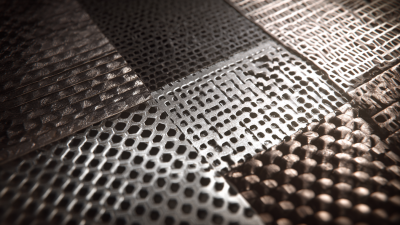
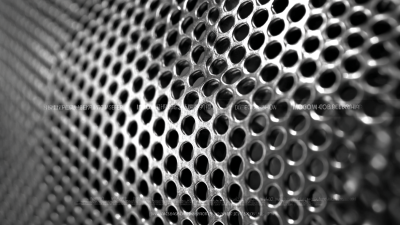
One common type is the round hole perforation. This design allows for excellent airflow and light penetration. It is widely used in architectural screens and HVAC applications. Square holes are another popular choice. They provide a modern aesthetic and allow for easy stacking. These sheets often find their way into furniture design and decorative features.
However, selecting the right perforation style can be a challenge. Consider the load requirements and environmental factors. Different materials may react differently in certain conditions. It’s essential to reflect on these aspects before making a decision. Sometimes, it helps to seek advice from professionals in the field to ensure you're on the right track.
Key Factors to Consider When Selecting Perforated Steel Sheets
When selecting perforated steel sheets, several factors matter. Start with the sheet's thickness. Thicker sheets provide more strength and durability. However, they can be heavier and more difficult to handle. Consider the weight needed for your project. If you need a lightweight solution, thinner sheets might be the answer.
Next, look at the hole size and pattern. The hole dimensions affect airflow and drainage. Larger holes allow for better airflow. Smaller holes offer more security but limit drainage. Think about the specific needs of your project. The hole pattern can also impact aesthetics. It’s essential to reflect on how design and functionality interact.
Lastly, don’t forget about the finish. A hot-dipped galvanized finish can resist corrosion. Conversely, a powder-coated option adds color and texture. Each finish has pros and cons. Ensure you weigh them against your project's location and exposure to elements. Remember, choosing the right perforated steel sheet is not always straightforward. An honest consideration of all these factors is crucial for a successful project.
Analyzing Hole Patterns and Sizes for Your Project Needs
When selecting a perforated steel sheet, understanding hole patterns and sizes is crucial. The configuration affects airflow, light penetration, and even acoustic properties. A report by the Steel Construction Institute indicates that optimal hole sizing can enhance functionality significantly. For instance, round holes promote consistent air flow, while elongated holes maximize both structural integrity and visual aesthetics.
Choosing the right size is equally important. Standard hole diameters range from 1/16 inch to 1 inch, each serving specific purposes. For instance, smaller holes (less than 1/4 inch) can filter particles effectively in industrial settings. Larger holes facilitate drainage in architectural applications. However, some projects may require custom sizes, leading to increased costs and longer lead times. This can be a point of concern for budgeting and scheduling.
Another aspect is the spacing between holes. Tighter spacing can offer better strength but may limit airflow. A study found that narrowing hole spacing reduced lightweight punching shear strength by up to 20%. Balancing these characteristics is essential. As you analyze your project's requirements, remember that each hole pattern must align with your specific needs. Consideration of the aesthetic and functional aspects will lead to a more successful outcome.
Evaluating Material Thickness and Strength Requirements
When choosing a perforated steel sheet, evaluating material thickness and strength is crucial. Different projects have unique requirements. A thicker sheet usually provides more strength and resistance to wear. However, it may also increase weight. This can affect handling and installation. For lightweight projects, thinner sheets might suffice. They are easier to manage but may not offer the same durability in high-stress environments.
Consider the specific application of your perforated steel sheet. Will it endure heavy loads or require high impact resistance? Testing the material before installation is always wise. Sometimes, what seems sturdy may not perform as expected under stress. Pay attention to environmental factors too. Corrosion resistance might be necessary if the sheet will be outdoors. This can influence your choice of thickness since some coatings add weight. Therefore, balancing strength and functionality with practicality is essential.
Material Thickness vs. Strength Requirements for Perforated Steel Sheets
This bar chart illustrates the yield strength of perforated steel sheets at varying material thicknesses. As the thickness increases, the yield strength also tends to increase, indicating how thicker sheets can handle greater loads.
Assessing Finishing Options and Their Impact on Performance
Choosing the right perforated steel sheet for your project involves careful consideration of finishing options. Finishes can significantly affect performance, aesthetics, and longevity. For example, powder coating enhances corrosion resistance. It also allows for various colors, improving the visual appeal. However, not all finishes suit every environment.
Tip: Always assess the environment where the sheet will be used. Humid areas may require superior corrosion-resistant finishes. A poor choice can lead to rust or degradation. Further, consider how the finish affects surface friction. For applications requiring a non-slip surface, certain textures in finishes might be more effective.
Some finishes may wear out faster due to environmental exposure. This can lead to unexpected costs down the line. Regular maintenance checks can mitigate some risks. Evaluate whether a finish will need regular touch-ups or replacements. A choice that looks great now may not hold up later.
Tip: Request samples before making a final decision. Observing the finish firsthand can reveal aspects not visible in a catalog. Test how the sheet feels to ensure it meets your project needs. Sometimes, small details make a substantial difference.
How to Choose the Right Perforated Steel Sheet for Your Project? - Assessing Finishing Options and Their Impact on Performance
| Sheet Type |
Hole Size (mm) |
Thickness (mm) |
Material |
Finishing Option |
Performance Impact |
| Perforated Steel Sheet A |
5 |
2.0 |
Steel |
Zinc Coated |
Increased corrosion resistance |
| Perforated Steel Sheet B |
10 |
1.5 |
Stainless Steel |
No Finish |
Ideal for aesthetic applications |
| Perforated Steel Sheet C |
8 |
3.0 |
Aluminum |
Anodized |
Enhanced durability and aesthetics |
| Perforated Steel Sheet D |
4 |
2.5 |
Mild Steel |
Painted |
Provides a wide range of colors |