2026 How to Choose the Best Punched Metal Sheets for Your Needs?
When selecting Punched Metal Sheets, it’s vital to consider various factors that align with your specific needs. Mike Johnson, a leading expert in the metal fabrication industry, once stated, “Choosing the right punched metal sheets is like finding the right tool for a precise job.” His insight underscores the importance of specificity in material choice.
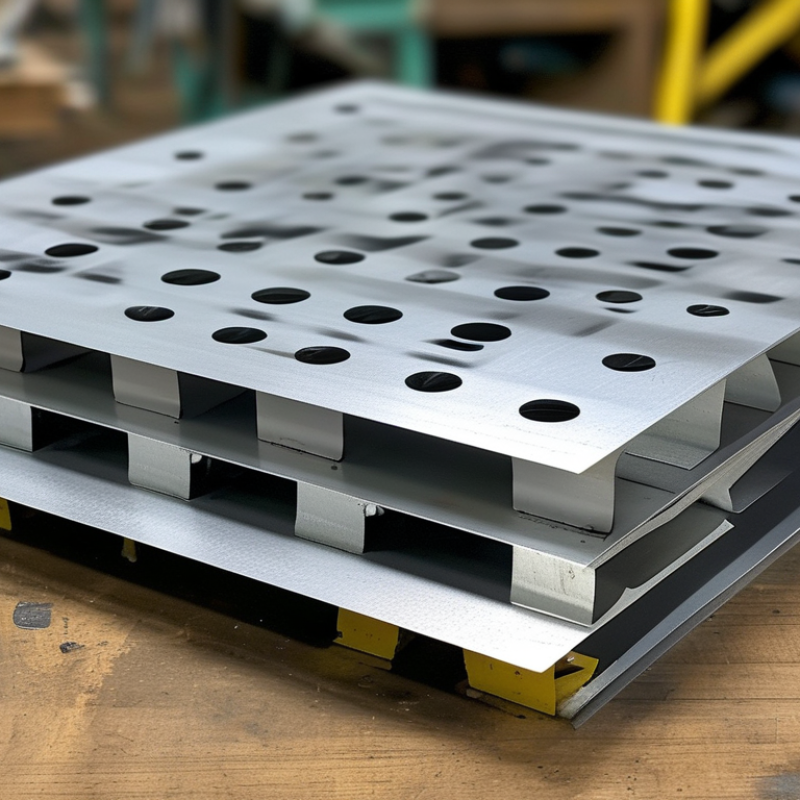
Understanding the properties of Punched Metal Sheets can greatly impact your project. These sheets come in various materials, including steel and aluminum, each offering unique benefits. Choosing the right thickness and hole size is crucial for functionality. However, many overlook these details, risking their project's success.
While it may seem straightforward, the selection process can be complex. Certain projects demand specialized punched metal patterns. Therefore, potential buyers should reflect on their project's requirements thoroughly. Are you clear on why you need specific types? Finding the best fit can transform your project from mediocre to exceptional.
Factors to Consider When Choosing Punched Metal Sheets
When selecting punched metal sheets, understanding the necessary factors is vital. The thickness of the metal sheet can impact both durability and weight. Thicker sheets usually provide enhanced strength, but they may also increase the overall weight of the structure. Balancing these factors is key for practical applications.
The size and pattern of the punched holes are also crucial. Smaller holes might be suitable for filtration purposes, while larger holes can facilitate airflow or aesthetic designs. You must also consider the material type. Different metals, such as aluminum or stainless steel, possess unique properties. They can affect corrosion resistance, strength, and cost. Often, individuals overlook the finish of the sheet, which can change its appearance and functionality over time.
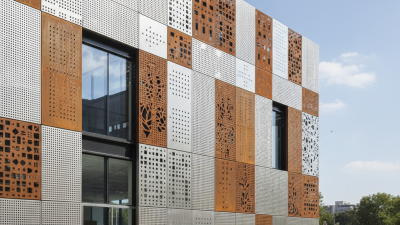
Finally, think about the application of the metal sheets. You might need them for architectural use, industrial purposes, or decorative reasons. Each application may require different specifications. Engaging with a knowledgeable supplier can provide insights that enhance decision-making. That said, ensure you research and verify claims. Relying solely on the supplier's input can sometimes lead to oversights. Always factor in real-world performance and user experiences to make the best choice.
Types of Punched Metal Sheet Materials and Their Applications
Punched metal sheets come in various materials, each suited for specific applications. Steel punched sheets are commonly used in construction due to their strength and durability. According to recent industry reports, the global demand for metal sheets is expected to grow by 5% annually, driven by infrastructure developments. Aluminum punched sheets are lightweight and corrosion resistant, making them ideal for automotive and aerospace applications.
Brass and copper sheets have excellent conductivity, useful in electrical applications. The choice of material should align with the specific project requirements, including strength, weight, and environmental factors. For instance, stainless steel, while pricier, offers exceptional resistance to rust that can save costs long-term.
Tips: Always consider the sheet's hole size and pattern. The right dimensions enhance functionality. Additionally, remember that some materials can be harder to work with than others. Manufacturers often offer guidance based on the intended application, so leverage their expertise. An informed choice often leads to better results, ensuring your project meets both aesthetic and practical standards.
2026 - Types of Punched Metal Sheet Materials and Their Applications
Understanding Hole Patterns and Sizes for Punched Metal Sheets
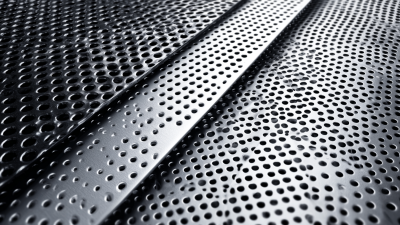
When selecting punched metal sheets, understanding hole patterns and sizes is crucial. Different applications require specific hole shapes and dimensions. Circular holes are common, but square and triangular patterns also exist. The size of the holes can drastically affect airflow, filtration, or aesthetic appeal. Every project has unique requirements.
Consider the spacing between holes as well. This affects strength and flexibility. Tighter spacing can enhance durability, while wider spacing may help with weight reduction. Additionally, the edge of the holes matters too. Sharp edges can increase stress concentrations, leading to potential failure. Reflect on how your chosen pattern will perform under operational conditions.
Think about the sheet's material as well. Different metals respond uniquely to punching. Some materials may deform more than others. Test each pattern's performance in your intended environment. Ultimately, the best choice hinges on practical applications, not just preferences. Always verify your selections through testing or expert consultations. Your needs must guide your final decisions.
2026 How to Choose the Best Punched Metal Sheets for Your Needs?
| Material |
Hole Diameter (mm) |
Sheet Thickness (mm) |
Hole Pattern |
Applications |
| Aluminum |
5 |
2 |
Uniform |
Decorative, Light Panels |
| Stainless Steel |
3 |
1.5 |
Staggered |
Industrial Screens, Guards |
| Mild Steel |
10 |
3 |
Square |
Construction, Support Structures |
| Copper |
4 |
1 |
Diamond |
Electrical, Decorative Installations |
| Galvanized Steel |
8 |
2.5 |
Circular |
Ventilation, Fencing |
Evaluating Thickness and Durability in Punched Metal Sheets
When evaluating punched metal sheets, thickness and durability are critical factors. The thickness of the metal determines its strength and weight. Thicker sheets can withstand more stress, making them suitable for heavy-duty applications. For instance, 18-gauge sheets work well in construction, while lighter gauges may suffice for decorative purposes.
Durability is equally important. Metal sheets face varied environmental conditions. Corrosion resistance is vital for outdoor projects. Consider the finish that protects the metal. A galvanized coating can provide an extra layer of protection. It’s also essential to think about regular maintenance. Some sheets may require more attention than others.
While thick metal sheets offer strength, they can be harder to work with. A balance is necessary. Overly thick sheets might not bend easily. On the other hand, thinner sheets might not meet your durability needs. Reflect on the specific application and environment where the metal will be used. This evaluation can guide you toward the best choice for your project.
Cost Considerations and Budgeting for Punched Metal Sheets
When budgeting for punched metal sheets, it's crucial to consider various factors. The cost can vary significantly depending on materials, thickness, and manufacturing processes. According to industry reports, quality punched metal sheets range from $3 to $8 per square foot. Custom designs and specific materials can push costs higher.
Factor in additional costs beyond the price per sheet. Shipping fees, installation, and potential waste must be included in your budget. For example, wastage can account for up to 20% of your project budget. This is a common oversight that can strain finances if not properly managed.
It’s also wise to assess the long-term value of your choice. Higher upfront costs for quality materials may lead to savings over time in durability and maintenance. Balancing initial costs with the benefits of choosing the right punched metal sheets requires thoughtful consideration. Keep an eye on changing market trends, as they can influence your budget unexpectedly.