How to Choose the Right Perforated Mesh Sheet for Your Needs?
Choosing the right Perforated Mesh Sheet can be challenging. With various materials, hole sizes, and patterns, it's essential to assess your specific needs. According to a recent report by the Industrial Mesh Association, the demand for perforated mesh products grew by 15% in the last year. This highlights the importance of making informed choices in this expanding market.
Expert Mark Thompson, a leading figure in perforated sheet applications, once stated, "Understanding material specifications is crucial for optimal performance." His insights remind us that not every perforated mesh sheet suits all projects. Each option carries unique qualities that can greatly influence the outcome.
Details such as the intended environment, load capacity, and aesthetic requirements all play a vital role. While some might prioritize cost, others may overlook critical factors like durability and maintenance. Poor selections can lead to project delays or failures. A thoughtful process guarantees both functionality and longevity for your perforated mesh sheet choices.

Understanding Perforated Mesh Sheets and Their Applications
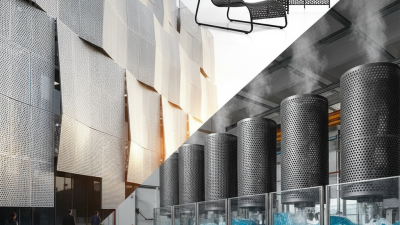
Perforated mesh sheets are versatile materials with various applications across industries. They are made from metal or plastic and come with holes of different shapes and sizes. This allows them to serve functional purposes like ventilation or aesthetics. Common uses include architectural facades, safety screens, and filtration systems. Understanding the specific needs of your project is crucial when selecting a mesh sheet.
Each application has distinct requirements. For example, if airflow is a priority, larger holes may be necessary. Alternatively, smaller holes might be suitable for filtration purposes. Thickness and material play significant roles in durability and appearance, too. Some might overlook the importance of hole pattern, which can impact both function and visual appeal. Testing different options can lead to unexpected discoveries about material behavior in real-world conditions. Don't hesitate to experiment.
Perforated Mesh Sheet Applications Breakdown
Key Factors to Consider When Choosing Perforated Mesh Sheets
Choosing the right perforated mesh sheet can feel overwhelming. Several key factors impact your decision. Start with the material. Options like aluminum, steel, or plastic have unique benefits. Aluminum is lightweight but durable. Steel offers superior strength. Plastic can be corrosion-resistant.
Next, consider hole size and pattern. The size of the holes affects airflow and visibility. Larger holes provide better airflow but less privacy. Patterns can enhance aesthetics but should also meet functional needs. A balance is crucial. Sometimes, it's helpful to visualize the final application. Imagine how the sheet will interact with its environment.
Finally, think about the thickness. Thicker materials resist bending and damage. However, thinner sheets might be more cost-effective. Reflect on your specific requirements and potential trade-offs. It’s normal to feel uncertain. Take your time before making a decision.
Different Materials Used in Perforated Mesh Sheets
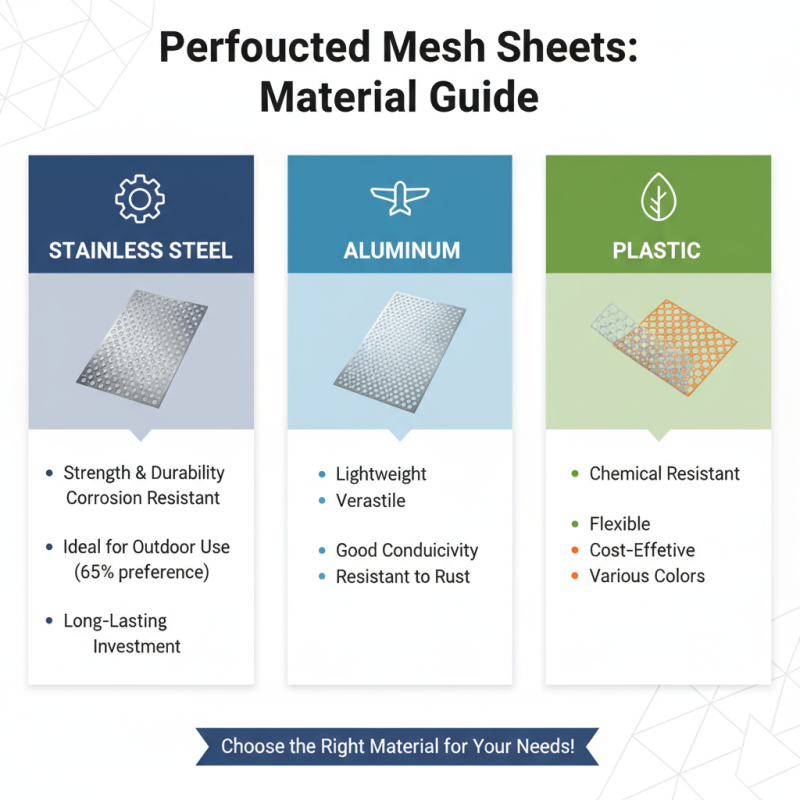
When selecting a perforated mesh sheet, understanding the materials is crucial. Common materials used include stainless steel, aluminum, and plastic. Each material has distinct advantages depending on your needs. Stainless steel offers strength and corrosion resistance. According to a recent industry report, 65% of manufacturers prefer stainless steel for outdoor applications. Its longevity makes it an excellent investment.
Aluminum, while lighter, is still sturdy and resistant to rust. It is particularly popular in architectural designs. A survey indicated that 40% of designers utilize aluminum for its combination of weight and aesthetic appeal. Plastic, on the other hand, is often chosen for its versatility and cost-effectiveness. However, it may not stand up to heavy-duty tasks like metal options.
Tip: Consider your project requirements carefully. If strength is key, opt for metal sheets. For lighter, more flexible needs, plastic could suffice. Remember to evaluate the environment where the sheet will be used. Harsh conditions might necessitate a more robust material.
It's vital to reflect on your choice. A lightweight option may be appealing, but might not last. On the other hand, heavier materials can be cumbersome. Balancing durability and usability is essential to finding the right fit. Ensure that your decision aligns with your project’s long-term goals.
Choosing the Right Hole Size and Pattern for Your Needs
When selecting a perforated mesh sheet, the hole size and pattern play crucial roles. The size of the holes will affect airflow and material flow. Larger holes allow for better ventilation, while smaller holes provide filtration. Think about what you need the mesh sheet for. If it's for a screen or filter, smaller holes may be essential. However, if it’s for drainage, then larger holes will work better.
Patterns also matter. A staggered hole pattern adds strength to the sheet while providing functionality. Flat holes can be more aesthetically pleasing but may not offer the same structural integrity. Experimenting with different combinations is sometimes necessary. It’s important to consider the material too. Some materials may warp or bend based on the hole pattern chosen. Testing samples in real-life scenarios is crucial for understanding how they meet your needs.
Mistakes often happen in this process. You might choose a hole size that's too large and regret it later. Or, the pattern might not provide the desired strength. Reflecting on these mistakes helps refine your choices. Adjusting expectations based on practical experiences can be beneficial. Remember, the perfect solution is often found through trial and error.
Evaluating Durability and Maintenance Requirements of Perforated Mesh Sheets
When selecting perforated mesh sheets, durability is crucial. Consider the material's resistance to corrosion, wear, and environmental factors. A study suggests that stainless steel sheets can last up to 50 years with proper care. In contrast, aluminum might exhibit signs of wear in as little as 10 years, especially in harsh conditions.
Maintenance should also be a priority. Regular cleaning is necessary to preserve the appearance and functionality of the mesh. A quarterly inspection can help identify any potential issues. Depending on the environment, some mesh types may require more frequent attention. Also, consider that accumulated dirt can lead to deterioration and hinder airflow.
Tips: Use a mild detergent for cleaning. Avoid abrasive materials as they can scratch the surface. Remember that neglecting maintenance can lead to costly replacements. Assess your working environment to choose the most suitable type of perforated sheet. Often, the right choice can balance durability, cost, and maintenance.