How to Choose the Right Perforated Steel Sheet for Your Project?
Choosing the right perforated steel sheet for your project is crucial. The right choice can enhance both aesthetics and functionality. Perforated steel sheets are versatile materials used in various applications, such as architecture, manufacturing, and filtration systems.
When selecting a perforated steel sheet, consider your project's specific needs. Think about hole size, pattern, and thickness. These factors significantly influence strength and airflow. A well-chosen perforated steel sheet can allow for good ventilation while maintaining structural integrity.
However, it’s easy to overlook these details. Many projects suffer from poor material selection. It's important to engage with knowledgeable suppliers who can provide insights. Their expertise can guide you toward the most suitable options for your situation. Ultimately, a careful approach will lead to a successful outcome.
Understanding Perforated Steel Sheets and Their Uses
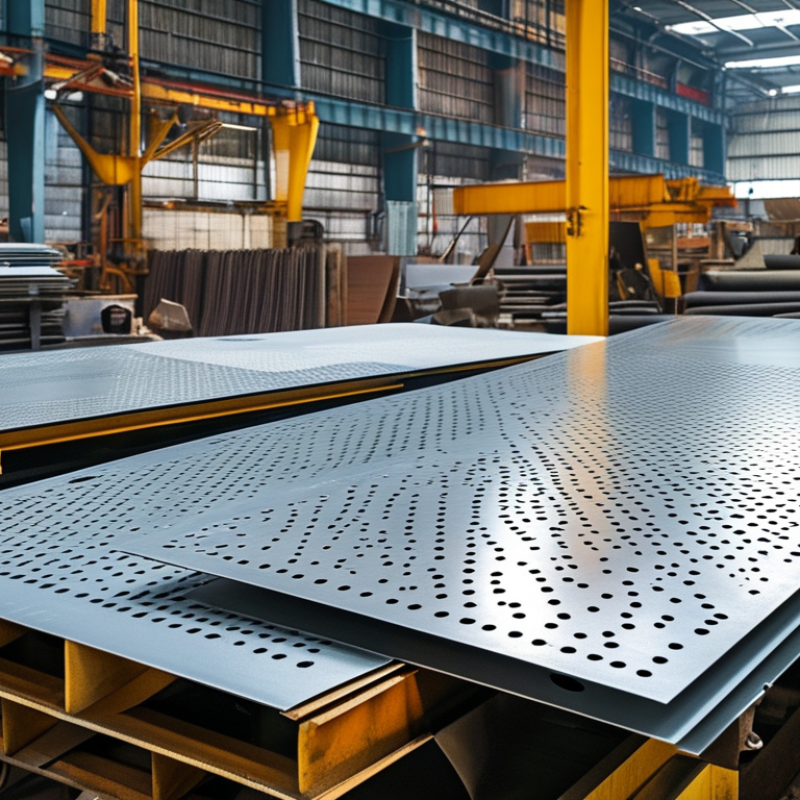
Perforated steel sheets are versatile materials used across various industries. They consist of flat steel sheets with holes punched through them, providing both functionality and aesthetics. These sheets are commonly used in architectural designs, filtration systems, and even sound barriers. Understanding their applications is crucial for selecting the right sheet for your needs.
When choosing perforated steel sheets, consider factors like hole size, spacing, and sheet thickness. Small holes can provide effective screening, while larger ones may allow for better airflow. The spacing between holes affects both strength and light transmission. Each project has unique requirements, and it's vital to match these parameters.
Some may overlook the importance of testing and experimentation. It’s wise to procure samples before making larger purchases. Not every perforated sheet will meet your expectations without proper evaluation. Engaging with experienced professionals can offer insights into which specifications will work best for your application. Always reflect on what has worked in the past, but stay open to new ideas and techniques.
Key Factors to Consider When Selecting Perforated Steel Sheets
When selecting perforated steel sheets for your project, several key factors are essential. Analyze the application to determine the required properties. For instance, consider strength, weight, and corrosion resistance. These elements can significantly impact the longevity and performance of your final product.
Next, think about hole size and pattern. A variety of options are available, which can affect both aesthetics and functionality. Larger holes might offer better airflow, while smaller ones could provide greater structural integrity. This choice often reflects the project's visual and practical needs.
Lastly, evaluate the sheet thickness. Thicker sheets may be more durable but heavier, affecting installation options. Balancing these factors requires careful consideration, reflecting the project's overall goals. Understanding the implications of each decision can lead to more effective outcomes. Engage in discussions with experts, as their insights may reveal important aspects that are easy to overlook.
Different Types of Perforation Patterns and Their Applications
When selecting a perforated steel sheet, understanding the different types of perforation patterns is crucial.
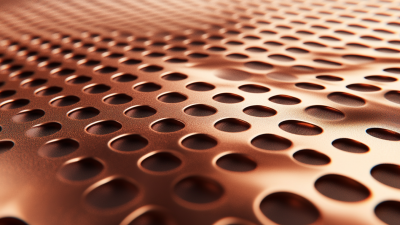
Round holes are the most common type. They provide good airflow and visibility. This pattern works well in architectural elements like facades and screens.
Square holes are another option. They offer a modern look and increased strength. This design is often used in flooring and heavy-duty applications.
Another pattern includes slotted holes, which help with drainage and ventilation. Slotted sheets are beneficial in industrial settings, allowing for efficient fluid flow.
If you are unsure about which pattern suits your project best, consider the specific requirements. Think about factors like load-bearing capacity and aesthetics.
Sometimes, the chosen pattern may not meet all needs. Testing different patterns on a small scale could provide better insight. Be open to adjustments along the way for optimal results.
Evaluating the Material and Thickness for Your Project Needs
When evaluating perforated steel sheets for your project, material and thickness are crucial factors. Perforated steel is known for its strength and durability, making it ideal for various applications. The choice of steel grade impacts its resistance to corrosion and structural integrity. For outdoor projects, galvanized or stainless steel is often preferred. These materials offer greater longevity.
Thickness plays a significant role in determining the sheet's load-bearing capacity. Thicker sheets can support heavier loads and withstand more challenging conditions. However, they can also be more expensive and harder to work with. For lighter applications, a thinner sheet may suffice, saving both cost and effort.
When selecting perforated steel, consider the specific needs of your project. Reflect on the environment where the material will be used. Also, think about the tools and methods available for installation. A mismatch can lead to performance issues or even project failure. Be realistic about your project's requirements and limitations.
Material Thickness and Usage in Perforated Steel Sheets
Tips for Sourcing and Purchasing Quality Perforated Steel Sheets
When sourcing perforated steel sheets, consider the intended application. Various hole sizes, patterns, and materials exist. Each feature affects functionality and aesthetics. Analyze your project's specific requirements. A large hole might allow for better airflow, while smaller holes can enhance structural integrity.
Quality is paramount. Check for certifications that ensure the steel meets industry standards. Speak with suppliers about their manufacturing processes. Reliable manufacturers often have transparent operations. Don't hesitate to ask for samples. Evaluating physical properties helps in understanding durability.
Assess the cost in relation to quality. Cheaper options may involve trade-offs. Look for suppliers who offer value without compromising on performance. Sometimes, it's worth investing more upfront for long-term usability. Reflect on the balance between budget and quality; it can be complex.