What is Perforated Corrugated Metal Panels and Their Uses?
Perforated Corrugated Metal Panels have gained significant attention in modern architecture and construction. These innovative materials serve practical and aesthetic purposes across various applications. Renowned expert in architectural design, Dr. Emily Carter, emphasizes the versatility of these panels, stating, "Perforated Corrugated Metal Panels offer both function and style, making them perfect for contemporary projects."
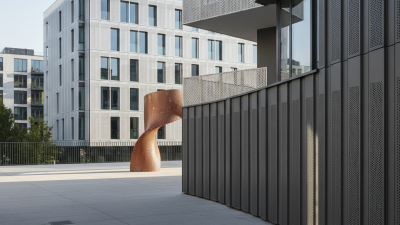
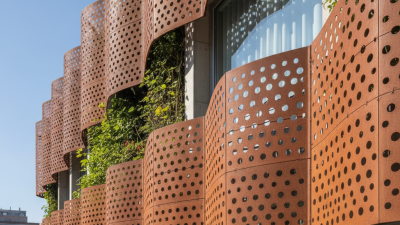
The unique design of Perforated Corrugated Metal Panels allows for natural light filtration while maintaining privacy. This feature is essential for outdoor installations like facades and screens. The panels are also lightweight, durable, and resistant to corrosion, which enhances their reliability in different environments. Moreover, their aesthetic appeal makes them attractive in urban landscapes.
Despite their advantages, challenges exist. Installation requires expertise to ensure maximum functionality. Moreover, selecting the right perforation pattern can impact performance significantly. It’s crucial for designers to weigh these aspects thoughtfully. As the use of Perforated Corrugated Metal Panels continues to grow, ongoing reflection on their application will lead to even better integration in future designs.
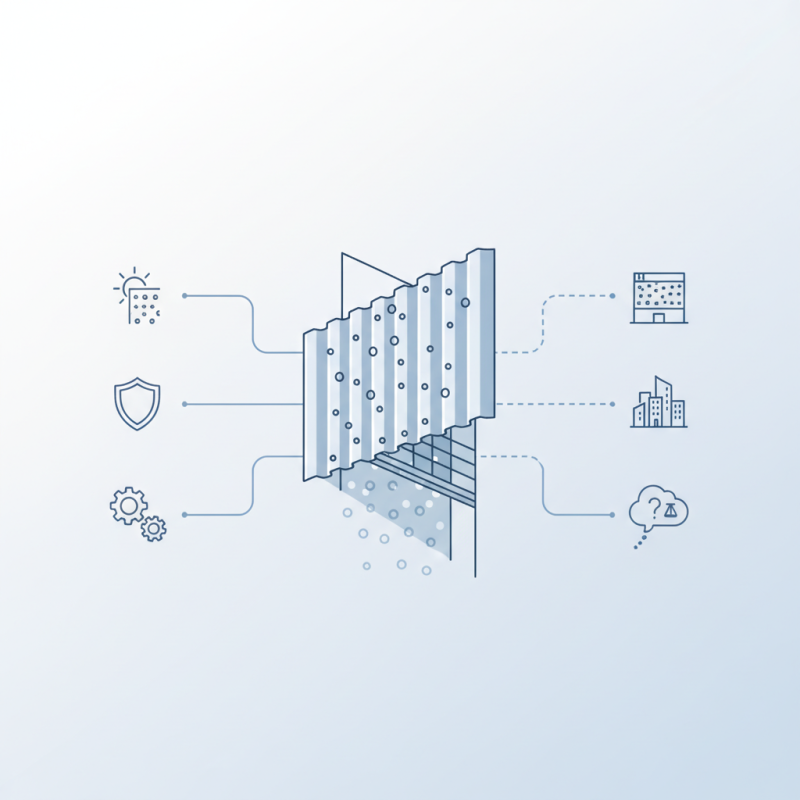
Definition and Characteristics of Perforated Corrugated Metal Panels
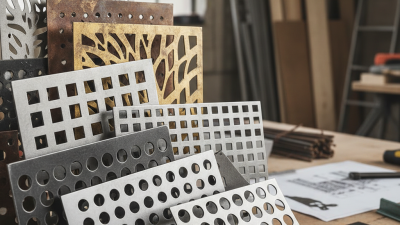
Perforated corrugated metal panels are versatile building materials recognized for their unique design and functionality. These panels combine the durability of metal with a series of perforations, permitting both aesthetics and practical applications. The corrugated structure provides increased strength and helps channel rainwater effectively. The perforations can vary in size and pattern, allowing customization for different projects.
These panels are often used in facades, sunshades, and fencing. They allow light and air to flow while maintaining privacy. In addition to their functional benefits, they can enhance visual appeal. Architects appreciate their ability to blend functionality with modern design.
**Tip:** When choosing perforated corrugated metal panels, consider the specific perforation pattern that meets your needs.
One potential drawback is that the perforation can reduce overall strength. The choice of metal type is crucial too. Galvanized options may resist rust better, extending lifespan.
**Tip:** Always evaluate the environmental conditions of your installation site. This will inform your metal selection.
Overall, perforated corrugated metal panels represent a compelling blend of design and utility. They offer a promising solution for enhancing architectural elements while still providing essential structural integrity.
Common Materials Used in Perforated Corrugated Metal Panel Production
Perforated corrugated metal panels are versatile and useful in various applications. The common materials used in their production contribute significantly to their functionality and durability. Steel and aluminum are the primary choices. Steel provides strength, making it a popular option for construction. Aluminum, on the other hand, is lightweight and resistant to corrosion, ideal for outdoor applications.
In addition to these metals, other materials like galvanized steel are often used. Galvanization adds a protective zinc layer, enhancing rust resistance. This makes perforated corrugated panels a long-lasting choice for facades and roofs. Copper and stainless steel are also options, providing unique aesthetic qualities and increased durability. Their distinct appearances can enhance a building’s design.
**Tip:** When selecting materials, consider the environment where the panels will be used. For coastal areas, aluminum or galvanized steel is advisable. Regular maintenance can prolong their lifespan, especially in harsh climates.
Be aware of potential downsides as well. While perforated panels are stylish, too many holes may impact strength. Also, avoid overly complex designs, as they can lead to manufacturing challenges. Each choice should be balanced with practicality and intended use.
Uses of Perforated Corrugated Metal Panels
This chart illustrates the various applications of perforated corrugated metal panels across different sectors. The frequency of use is represented as a percentage, showcasing the primary areas where these materials contribute significantly.
Applications of Perforated Corrugated Metal Panels in Construction
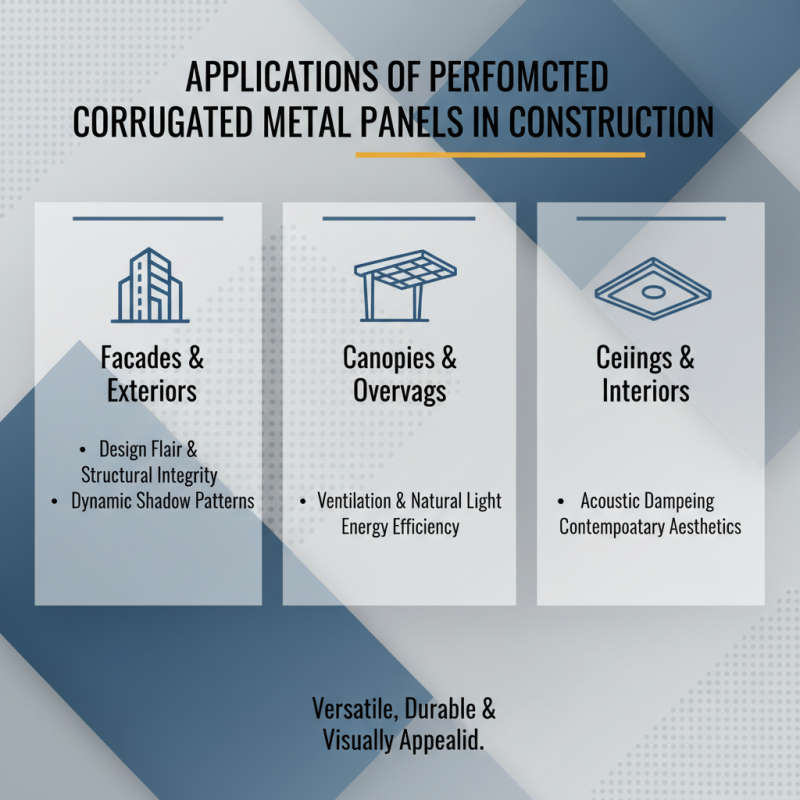
Perforated corrugated metal panels have become increasingly popular in construction due to their unique blend of aesthetics and functionality. These panels are often used for facades, canopies, and even ceilings, providing both design flair and structural integrity. Their perforations allow for ventilation and natural light, which can enhance energy efficiency in buildings. For example, installing these panels in commercial spaces can create dynamic shadow patterns, adding visual interest to otherwise plain surfaces.
In addition to aesthetics, perforated corrugated metal panels serve practical purposes. They are often used in noise barrier constructions along highways. Their design helps to minimize sound pollution while maintaining visibility. This approach can be seen in urban developments where space is limited and noise reduction is crucial. Additionally, many architects use these panels to create privacy screens in outdoor spaces without completely obstructing views. However, the effectiveness can depend on the perforation pattern and the thickness of the material, which requires careful consideration during the design process.
While these panels are highly versatile, they are not without challenges. Installation can be intricate, demanding skilled labor to ensure durability and proper alignment. Also, maintenance might become an issue over time, especially in harsh environments. Regular checks are necessary to prevent rust and degradation. Ultimately, incorporating perforated corrugated metal panels into construction projects can yield stunning results, provided that careful planning and execution are prioritized.
Advantages of Using Perforated Corrugated Metal Panels
Perforated corrugated metal panels combine strength with functionality. These panels feature holes for light and air flow, making them versatile in applications. One significant advantage is energy efficiency. According to a report by the Metal Building Manufacturers Association, these panels can reduce energy costs by up to 30%. This savings stems from their ability to enhance natural ventilation and daylighting in buildings.
Another benefit is aesthetics. Perforated panels can create unique architectural designs. They allow for creativity while still providing durability. A study by the National Institute of Standards and Technology highlighted how these panels can also reduce urban heat islands. This is crucial for cities seeking sustainable building solutions. However, not every project may benefit from their use. Factors like installation complexity and maintenance costs should be carefully evaluated.
In practical terms, perforated corrugated metal panels are used in various sectors. They serve as noise barriers, decorative facades, and safety screens. These applications underline their adaptability. Yet, decision-makers should assess the specific needs of each project. While offering many advantages, relying solely on perforated panels may not be ideal for every situation. Understanding their limitations is key to successful integration in design.
Design Considerations for Perforated Corrugated Metal Panels
When considering the design of perforated corrugated metal panels, several key factors come into play. The perforation pattern significantly affects both aesthetics and functionality. Designers must choose the right size and shape of holes to achieve the desired light transmission and airflow. Additionally, the spacing between perforations can impact structural integrity and the panel's overall strength.
Functionality is also crucial. These panels often serve dual purposes. They can enhance acoustic performance, providing sound absorption in public spaces. They also add a unique visual quality to buildings. Yet, designers must be cautious. Overly large or frequent perforations can compromise stability, making the panels vulnerable to weather conditions. Striking the right balance between beauty and durability is essential.
Material choice plays a vital role. Metals like aluminum and steel have different weight and corrosion resistance. Therefore, the environment where panels will be installed should dictate the material used. While perforated corrugated panels offer numerous design opportunities, it’s important to reassess initial choices. What works in theory may not always deliver the desired performance. Continual testing and adjustments can lead to improvements in both design and implementation.
What is Perforated Corrugated Metal Panels and Their Uses?
| Dimension |
Description |
Common Uses |
Material Types |
| Thickness |
Varies typically between 0.7mm to 3mm |
Custom architectural applications, screen partitions |
Steel, Aluminum, Galvanized metal |
| Panel Width |
Standard widths usually range from 24 inches to 48 inches |
Facade cladding, roofing systems |
Stainless steel, Powder-coated finishes |
| Hole Diameter |
Ranges from 1/16 inch to 1 inch |
Sound barriers, ventilation walls |
Aluminum composite materials, Cor-ten steel |
| Panel Length |
Customizable lengths available for specific projects |
Commercial buildings, industrial structures |
Zinc-coated steel, Specialty alloys |
| Corrosion Resistance |
High resistance for durability |
Outdoor applications, coastal areas |
Pre-painted surfaces, Anodized aluminum |