What is Perforated Stainless Steel Screen and its Benefits?
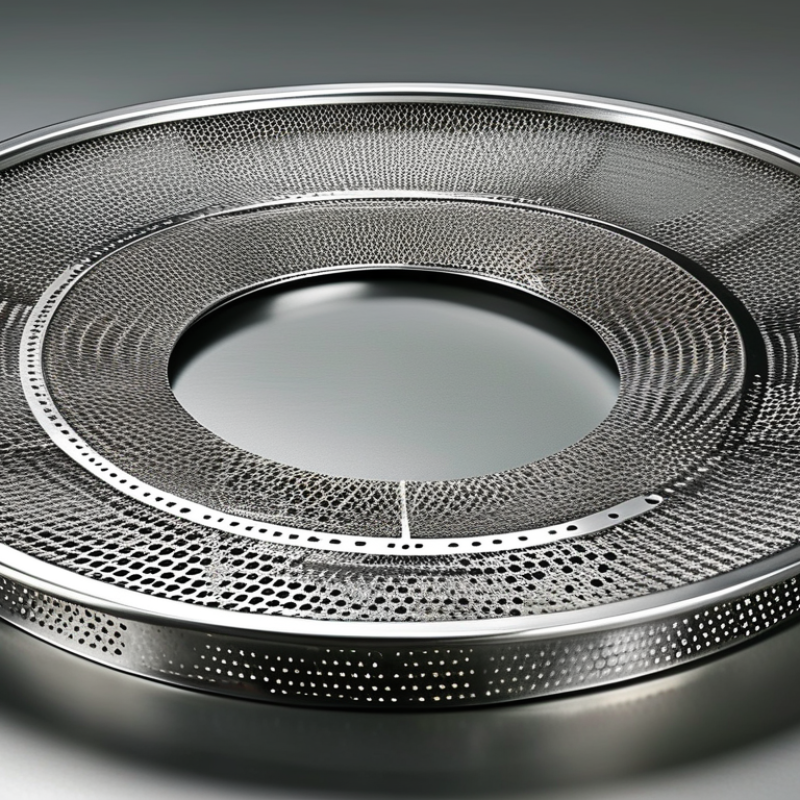
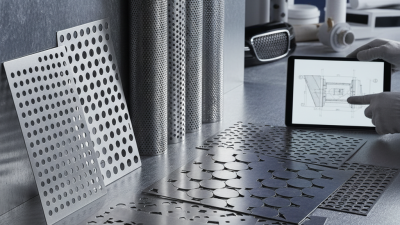
Perforated Stainless Steel Screen is an essential material in various industries. Its unique design combines functionality with aesthetic appeal. This screen features holes or openings that allow airflow and fluid passage while providing structural integrity.
The benefits of using Perforated Stainless Steel Screens are notable. They enhance ventilation, reduce weight in structures, and improve filtration processes. Industries such as construction, automotive, and food processing benefit greatly from its durability and versatility.
Despite its advantages, there are considerations to keep in mind. The choice of hole size and pattern can impact performance. Selecting the right type may require expert advice. Understanding these factors is crucial for maximizing the benefits of using Perforated Stainless Steel Screens.
What is Perforated Stainless Steel Screen?
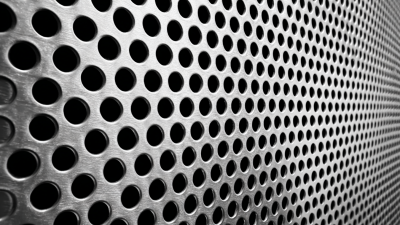
Perforated stainless steel screens play a crucial role across various industries. These screens are sheets of stainless steel, featuring a series of holes punched through them. They are effective in filtration processes, allowing for the separation of materials while maintaining strength and durability. According to industry reports, the global market for perforated metal is expected to reach over $1 billion by 2025, driven by its extensive applications.
The benefits of perforated stainless steel screens extend beyond mere filtration. They offer high corrosion resistance, making them ideal for use in harsh environments. This feature is significant in industries like food processing and pharmaceuticals, where cleanliness is paramount. Additionally, perforated screens can be customized in terms of hole size and pattern. This flexibility helps in optimizing functionality for specific applications. A study published by the International Journal of Metal Processing indicates that tailored perforations can enhance airflow and reduce clogging, important factors for efficiency.
Despite these advantages, the manufacturing process can lead to imperfections. Variability in hole size and distribution may occur, impacting performance. Such inconsistencies need careful monitoring during production. Moreover, the initial cost may deter some businesses. However, the long-term benefits, such as longevity and reduced maintenance costs, make perforated stainless steel screens a worthwhile investment for many applications.
Applications of Perforated Stainless Steel Screens
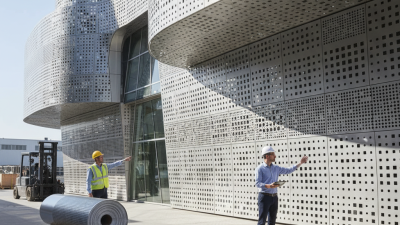
Perforated stainless steel screens find a wide range of applications across various industries due to their durability and versatility. In construction, they serve as an essential component in facades, allowing for airflow while providing aesthetic value. A study from the Metal Building Manufacturers Association highlights that buildings utilizing perforated screens improve energy efficiency by up to 30%.
In the automotive sector, these screens are crucial for air filtration. They prevent contaminants from entering engines, thereby enhancing performance and longevity. According to a report by the Society of Automotive Engineers, using quality perforated stainless steel screens can reduce maintenance costs by 15%. They’re also prominently used in food processing, ensuring safety and hygiene through effective separation of solid materials from liquids.
Environmental benefits are also noteworthy. Perforated stainless steel screens contribute to sustainable practices by being recyclable. However, it’s essential to consider the wear and tear in extreme conditions. Some screens may corrode or lose their effectiveness over time, requiring regular inspection. Balancing performance and longevity is key in decision-making processes across industries.
Advantages of Using Perforated Stainless Steel Screens
Perforated stainless steel screens offer numerous advantages across various industries. These screens consist of stainless steel sheets with precisely punched holes. This design allows for ventilation, filtration, and pathogen resistance. Their durability makes them a reliable choice for construction, agriculture, and food processing applications.
One significant benefit is their strength. Stainless steel is corrosion-resistant and can withstand harsh environmental conditions. According to a report by the International Stainless Steel Forum, stainless steel components can last up to 30 years with proper maintenance. Furthermore, perforated screens enable efficient airflow while still retaining structural integrity. This is especially helpful in industrial ventilation systems.
They also provide excellent filtration. Perforated screens can filter particles while allowing liquids and gases to pass through. This feature is essential in waste management. Studies show that filtering effectiveness can be increased by 25% when using the right perforation pattern. However, it is crucial to choose the correct size of holes for specific applications. Misjudgment can lead to clogs or decreased efficiency, prompting a need for constant oversight in some cases.
Factors to Consider When Choosing Perforated Stainless Steel Screens
When selecting perforated stainless steel screens, several factors must be considered. The hole size is crucial. Smaller holes filter finer particles, while larger holes allow for better airflow. Think about the specific application. Different industries require different specifications. A well-chosen hole size enhances efficiency.
Material thickness also affects the screen's durability. Thicker materials are more robust, suitable for heavy-duty applications. However, they can be heavier and less flexible. Weight is another factor worth reflecting on. Lighter screens may be easier to install but could lack strength. Assess your needs clearly before deciding.
Lastly, consider the finish and corrosion resistance. A polished surface offers aesthetic appeal and less buildup over time. Yet, some finishes may be less effective in harsh environments. Understanding the balance between esthetics and function is essential. Evaluating these factors helps in making a well-informed choice for your project.
Benefits of Perforated Stainless Steel Screens
The chart above illustrates the benefits of using perforated stainless steel screens, rated on a scale of 1 to 10. Key advantages include high corrosion resistance, durability, aesthetic appeal, customization options, and cost-effectiveness.
Maintenance and Care for Perforated Stainless Steel Screens
Maintaining perforated stainless steel screens is essential for their longevity. Regular cleaning helps prevent the buildup of dirt and debris. A simple solution is warm water mixed with mild detergent. Use a soft cloth or sponge to wipe the surface gently. This practice ensures that the screens remain effective and visually appealing.
Inspecting the screens for any signs of wear or damage should be part of regular maintenance. Look for rust, dents, or perforation deterioration. If you spot any issues, address them promptly. Small repairs can prevent larger problems later. It’s a good idea to review your maintenance routine every few months. Relying on a consistent schedule can help catch issues before they worsen.
What is Perforated Stainless Steel Screen and its Benefits? - Maintenance and Care for Perforated Stainless Steel Screens
| Feature |
Details |
Benefits |
| Material |
Stainless Steel |
Corrosion resistant and durable |
| Hole Pattern |
Customizable patterns |
Enhanced filtration and aesthetic appeal |
| Applications |
Industrial, construction, architectural |
Versatile uses across various sectors |
| Maintenance |
Regular cleaning recommended |
Sustains appearance and functionality |
| Strength |
High tensile strength |
Resistant to impacts and stresses |