How to Choose the Best Perforated Corrugated Metal Panels?
Perforated Corrugated Metal Panels have become increasingly popular in various industries due to their versatility and aesthetic appeal. According to a recent market analysis, the demand for these panels has grown by over 15% annually. This growth is largely driven by architects and designers seeking innovative building materials that offer both function and style.
Choosing the right Perforated Corrugated Metal Panels can be challenging. The variety in thickness, hole size, and patterns can affect not only their appearance but also their performance. For instance, panels with larger perforations can provide greater ventilation but may compromise strength. Understanding these trade-offs is crucial for successful application.
Industry standards indicate that high-quality perforated panels should meet specific durability requirements. This ensures they withstand various environmental conditions. Yet, not all products meet these standards. Therefore, careful selection based on verified data and expert recommendations is essential. Making an informed choice can enhance both the functionality and aesthetic of a project.
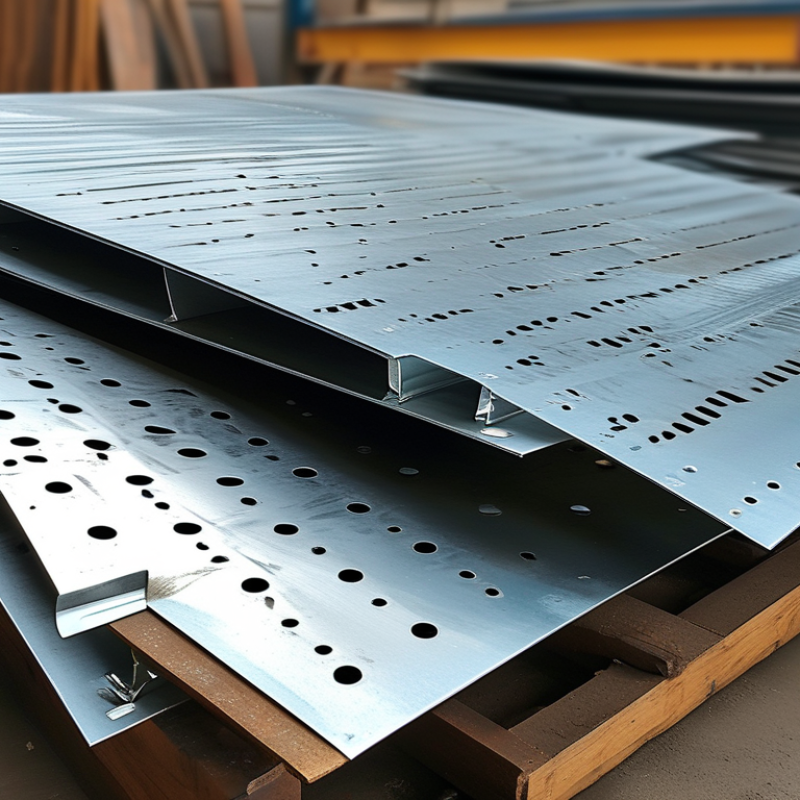
Understanding Perforated Corrugated Metal Panels and Their Uses
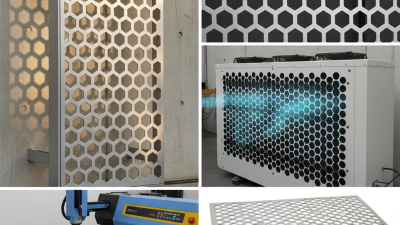
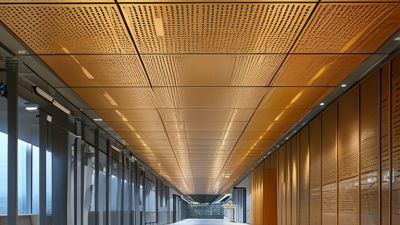
Perforated corrugated metal panels serve a range of purposes in various industries, from construction to interior design. These panels are designed with holes to allow air, light, and sound to pass through. The versatility of their applications makes them a popular choice for architects and builders alike. For instance, they can be used for facades, sunshades, or even as privacy screens in outdoor settings. Reports indicate that the global market for perforated metal is expected to grow significantly, reaching approximately 2.4 billion USD by 2026, reflecting their rising popularity.
When selecting perforated corrugated metal panels, consider the hole size and pattern. Different configurations offer varying levels of transparency and ventilation. For outdoor applications, corrosion resistance is critical. According to a survey by the Metal Construction Association, nearly 70% of architects prioritize durability. Inadequate choices can lead to moisture retention and faster degradation.
Tip: Review project requirements carefully. Assess where the panels will be installed and their environmental exposure. Another consideration is the gauge of the metal; thicker panels provide greater strength but may reduce permeability. Evaluating these factors thoroughly can prevent costly mistakes and ensure a successful outcome. Always seek multiple design options to compare aesthetics and functionality.
Key Factors to Consider When Selecting Perforated Metal Panels
When selecting perforated metal panels, several key factors come into play. First, consider the material type. Common choices include aluminum and steel. Each offers unique benefits in terms of durability and weight.
Aluminum is lighter but may not be as robust as steel in heavy-duty applications. Think carefully about where and how these panels will be used.
Next, the size and pattern of the perforations matter significantly. Different hole sizes can affect ventilation and light filtration. Larger holes allow more airflow but may compromise privacy. Be clear about your specific needs before making a choice.
You should also consider spacing. The distance between holes can impact both aesthetics and practicality.
Another essential factor is finish. A protective coating can foster longevity and resistance to weather conditions. However, be mindful that certain finishes may require more maintenance over time.
Visual appeal also plays a role; a more polished look can elevate design aesthetics. Reflect on the overall design scheme you aim to achieve.
These considerations form the bedrock of making informed choices.
Evaluating Material Quality and Durability for Metal Panels
When evaluating the quality and durability of perforated corrugated metal panels, it's essential to consider the material's properties. Reports indicate that galvanized steel is a common choice due to its rust resistance and strength. In fact, according to industry standards, galvanized coatings can increase the lifespan of metal panels by up to 50%. However, the effectiveness of this protection can vary based on environmental conditions, such as humidity and exposure to corrosive elements.
Another crucial factor is the gauge of the metal. Thicker panels typically offer better durability. A thickness of 22 to 24 gauge is standard for many applications; however, projects in harsher environments may benefit from even thicker options. Investigating a panel’s perforation patterns can also inform durability, as larger holes may weaken structural integrity. Research suggests that smaller, strategically placed perforations can enhance both airflow and panel strength.
While these guidelines provide a foundation, individual project needs can differ. It's vital to assess specific site conditions and usage requirements. Consultation with experienced professionals ensures the selected panels meet both aesthetic and functional goals. Achieving the right balance between durability and design is not always straightforward and may require thoughtful deliberation.
How to Choose the Best Perforated Corrugated Metal Panels? - Evaluating Material Quality and Durability for Metal Panels
| Criteria |
Description |
Rating (1-5) |
Notes |
| Material Quality |
Assess the type of metal (e.g., galvanized steel, aluminum) used. |
4 |
Choose corrosion-resistant materials for longevity. |
| Durability |
Evaluate how well the panel withstands weather conditions. |
5 |
Look for panels with high tensile strength. |
| Perforation Type |
Different shapes and sizes can affect aesthetics and functionality. |
4 |
Consider the purpose of the perforations (e.g., light, airflow). |
| Thickness |
Thickness impacts weight, durability, and installation. |
3 |
Thicker panels provide better insulation and noise reduction. |
| Finish |
Paint, galvanization, or powder coating can enhance appearance and protection. |
5 |
Select a finish that complements the building’s design. |
Deciding on Perforation Patterns and Sizes for Specific Applications
Choosing the right perforated corrugated metal panels involves careful consideration of perforation patterns and sizes. The application often dictates these choices. For example, a panel designed for ventilation will require larger holes than one used for aesthetic purposes. Understanding these specifics can make a substantial difference in functionality.
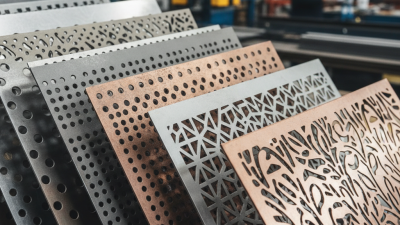
When selecting a perforation pattern, consider the intended use. For noise reduction in urban settings, smaller and tightly spaced holes are effective. A more artistic design might focus on larger holes in creative arrangements. The material's thickness also plays a role in achieving desired durability and visual appeal.
Tips: Always analyze the environment where panels will be installed. Exposure to weather conditions affects their longevity. Consult with experts to evaluate various designs before making drastic choices. Remember, trial and error can lead to unexpected insights. Use mock-ups to visualize how patterns fit into your space effectively. This approach helps identify what works best in practice.
Comparing Cost and Aesthetic Options in Perforated Metal Panels
When considering perforated corrugated metal panels, cost and aesthetics often take the spotlight. These panels offer a unique blend of durability and design flexibility. Achieving the right balance between budget and visual appeal is crucial. The price can vary significantly based on materials, hole patterns, and finishes.
For those prioritizing aesthetics, an array of perforation patterns exists. Each design transforms the look and feel of a space. From larger holes that provide a bold statement to subtle designs that add texture, the options are plentiful. A lighter finish can create a modern appearance, while a darker color may evoke a more classic style.
Tip: Always order samples before committing. This helps you visualize how different patterns work in your environment. Consider how lighting will affect the appearance of the panels. Reflect on how the chosen design fits within the larger project context.
Be mindful that some designs may not suit every application. The material’s strength can vary with intricate patterns. Overly complex designs may lead to structural weaknesses. This highlights the importance of balancing aesthetic desires with practicality. Choose wisely, ensuring that the panels fulfill both your design dreams and functional needs.