Inquiry
Form loading...

2026 Top Trends in Perforated Aluminum Sheet for Global Buyers?

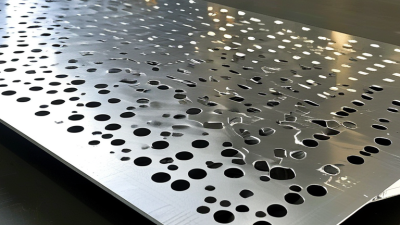
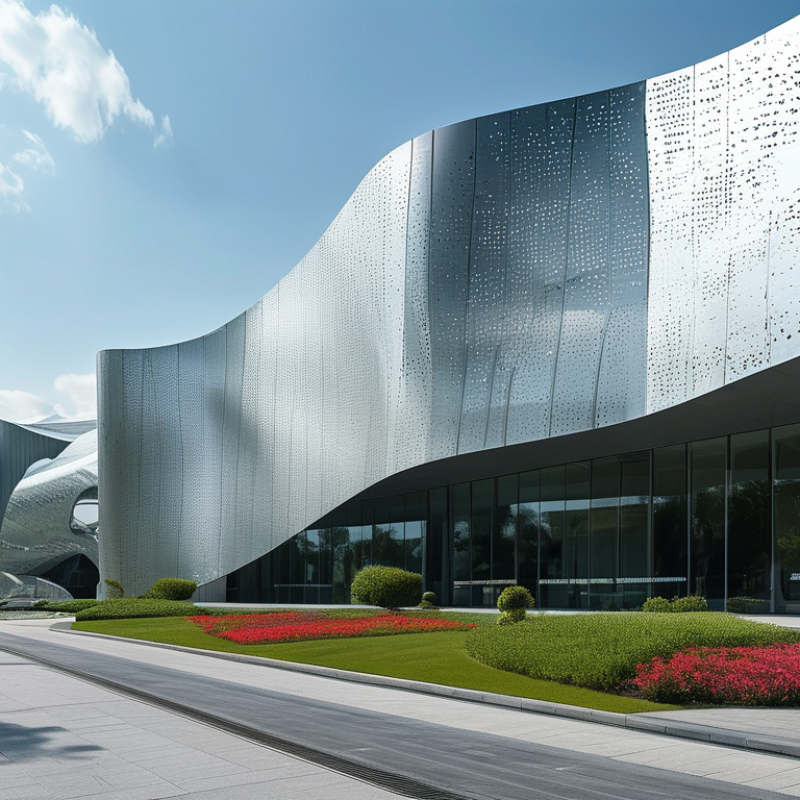
The construction and design industries are experiencing a transformative shift, particularly regarding materials. Perforated Aluminum Sheet stands out as a top choice for global buyers in 2026. Its lightweight nature and strength make it highly desirable. Additionally, the versatility it offers allows for various applications, from architectural facades to interior design elements.

As trends evolve, eco-friendly practices gain traction. Buyers increasingly seek sustainable solutions. Perforated Aluminum Sheet aligns with this need by offering recyclability and reduced material waste. Industries are realizing that adopting such materials can enhance their brand image and appeal to environmentally conscious consumers.

There are challenges as well. Not all manufacturers ensure the same quality standards. Buyers must navigate these inconsistencies, often leading to confusion. It’s essential to verify suppliers' credibility and product specifications. Buyers should prioritize reliable sources to make informed decisions. Maintaining quality while embracing trends is a delicate balance in today's market.
2026 Top Trends in Perforated Aluminum Sheet for Global Buyers?

Emerging Applications of Perforated Aluminum Sheet in 2026

In 2026, perforated aluminum sheets are set to play a vital role in various sectors. Their lightweight and durable nature makes them ideal for applications in architecture, automotive, and industrial design. According to industry reports, the global market for perforated aluminum is projected to grow by 5.3% annually, reflecting an increasing demand for customizable materials.

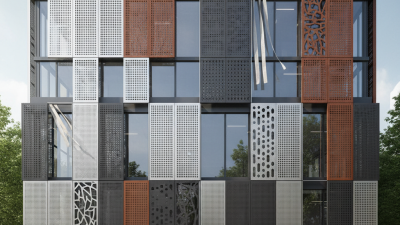
Emerging applications are quite fascinating. For instance, in architecture, perforated aluminum is used in facades for its aesthetic appeal and functionality. This material allows for ventilation while providing a unique visual feature. Additionally, the automotive industry is integrating these sheets into vehicle designs to reduce weight and improve fuel efficiency. However, challenges remain, such as ensuring the durability of the perforations against corrosion over time.

Furthermore, in the field of sound management, companies are utilizing perforated aluminum sheets to create acoustic panels. These panels help in noise reduction in urban areas. Despite the benefits, not all designs are equally effective. Continuous research is necessary to determine the optimal perforation patterns for different applications.
Innovative Designs and Aesthetics in Perforated Aluminum Trends

The global market for perforated aluminum sheet is undergoing significant transformation. Innovative designs are leading the way in both functionality and aesthetics. According to a recent industry report, the demand for custom patterns has increased by 30% in the past three years. This surge reflects a broader trend towards personalized design in architectural and industrial applications.

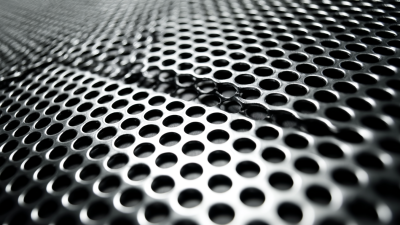
Aesthetic choices are no longer limited to traditional styles. Modern designs often feature intricate patterns that play with light and shadow. For example, laser-cut perforations create stunning visual effects. This trend supports the concept of biophilic design. It brings natural elements into urban spaces. Studies show that incorporating such designs can improve mental well-being by up to 15%.

However, the challenge lies in balancing innovation with practicality. Designers and manufacturers must ensure that new aesthetics do not compromise structural integrity. As technology advances, the risk of over-complicating designs increases. Continuous feedback and collaboration between designers and engineers are critical to achieving this balance.

2026 Top Trends in Perforated Aluminum Sheet for Global Buyers

Trend Description Applications Design Innovations Sustainability
Advanced Aesthetic Patterns New geometric and organic patterns that enhance visual appeal. Facade systems, interior partitions. 3D engraving and varying hole shapes/sizes. Use of recycled materials in production.
Customization Flexibility Personalized designs to meet specific client needs. Commercial buildings, public art installations. Digital printing and software-driven design tools. Reduction of waste through precise manufacturing.
Integration with Smart Technology Perforated aluminum sheets with embedded sensors. Smart buildings, responsive architecture. IoT connectivity and energy-efficient features. Minimized energy use through smart systems.
Lightweight Solutions Innovations in reducing material weight without compromising strength. Transportation, aerospace, and construction sectors. New alloys and manufacturing techniques. Material efficiency leading to lower carbon footprint.
Textured Finishes Innovative finishes for enhanced aesthetics and durability. Architectural cladding, sculptures, and art installations. Powder coating and anodizing techniques. Focus on long-lasting finishes to reduce maintenance.

Sustainability and Environmental Impact of Perforated Aluminum Sheets

The sustainability of perforated aluminum sheets has gained significant attention in recent years. According to the Aluminum Association, aluminum is one of the most recycled materials globally, with more than 75% of all aluminum ever produced still in use. This is crucial as industries strive for eco-friendly materials. Perforated aluminum sheets offer a lightweight alternative, reducing transportation emissions significantly.

However, challenges remain. The production of aluminum involves high energy consumption, leading to a considerable carbon footprint. A report from the International Energy Agency noted that aluminum production accounts for around 1.1 billion tons of CO2 emissions annually. This raises questions about the long-term environmental impact of utilizing aluminum sheets, no matter how recyclable.

Investing in new technologies for sustainable production is vital. Innovations such as using renewable energy sources in aluminum manufacturing can mitigate environmental harm. Moreover, enhancing recycling processes can improve the sustainability value. Global demand for perforated aluminum sheets is expected to rise, but it must not come at the expense of our planet’s health. Choices regarding materials will shape the future of building and manufacturing.

Market Demand and Key Factors Influencing Global Buyers

The demand for perforated aluminum sheets is surging globally as industries seek lightweight, durable, and versatile materials. According to a recent market analysis, the perforated aluminum sheet industry is projected to grow at a CAGR of 6.5% from 2021 to 2026. This growth is influenced by the increasing use of these sheets in construction, automotive, and architectural applications. Architects and builders favor perforated sheets for their aesthetic appeal and functionality.

Key factors driving this market include sustainability and energy efficiency. Perforated aluminum allows for natural ventilation, reducing energy consumption in buildings. Reports indicate that energy-efficient structures using these materials can lower operational costs by up to 30%. Furthermore, growing environmental concerns push buyers toward recycled materials. Perforated aluminum is often derived from recycled sources, appealing to eco-conscious consumers.

However, challenges remain. The variability in quality can lead to inconsistent product performance. Buyers often face difficulties in sourcing reliable suppliers. In some cases, manufacturers need to improve their quality control measures. Despite these issues, the trend towards perforated aluminum will likely continue as industries adapt to changing demands and sustainability goals.

Technological Advancements in Perforation Techniques and Processes

The perforated aluminum sheet market is witnessing significant technological advancements. Recent reports indicate a rise in demand, with a projected market growth of 5.2% annually through 2026. This growth is largely fueled by innovations in perforation techniques, which enhance both functionality and aesthetic appeal.

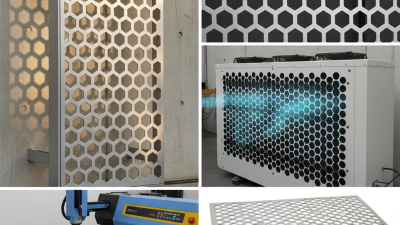
New techniques in laser perforation allow for precise hole placement and reduced material waste. For example, laser systems can create intricate designs with minimal effort. This technology offers various advantages, including increased design flexibility and shortened lead times. A study from the International Aluminum Association notes that automated processes can decrease production costs by 15% while improving accuracy.

However, challenges remain. High initial setup costs for advanced perforation systems can deter smaller manufacturers. Additionally, some processes require specialized skills that are not widely available. The industry must navigate these hurdles to fully embrace technological advancements. In this evolving landscape, balancing cost-effectiveness with innovation is crucial. Adaptation and ongoing skills development are necessary to thrive in this competitive market.